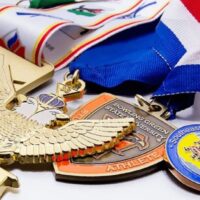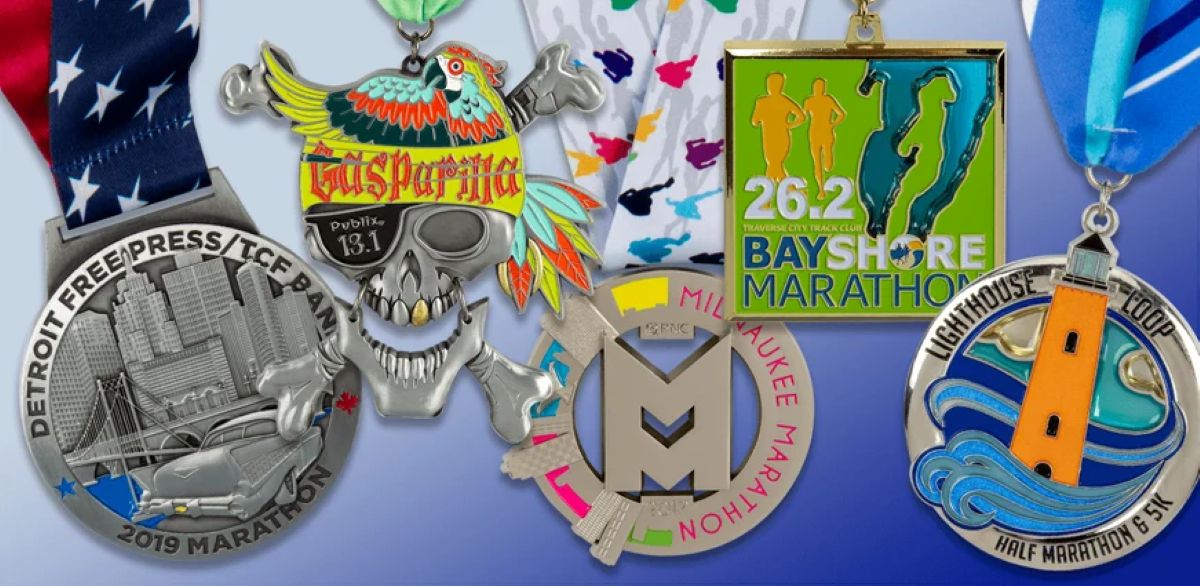
This guide explains how to design custom medals in Australia for sports events, school presentations, community competitions, and corporate awards.
What should they decide before designing custom medals in Australia?
They should start with three decisions: the purpose, the audience, and the setting. A fun-run finisher medal needs different cues than a sales award, and an outdoor event may need more durable finishes.
They should also lock in quantity, deadline, and budget early. Those three constraints typically drive the best choices for materials, production method, and packaging for custom medals Australia.
Which medal style fits events versus corporate awards?
For events, they usually choose bold shapes, larger sizes, and clear year or distance markers. People like medals that photograph well and feel substantial in hand, especially for finishers and podium placements.
For corporate awards, they often lean toward clean geometry, restrained branding, and higher-end finishes. A subtle logo, crisp edge detail, and premium ribbon can elevate custom medals in Australia into boardroom-worthy recognition.
What size, shape, and thickness look “premium” without overspending?
They can look premium by choosing a slightly larger diameter (often around 60–70 mm) and a thickness that adds weight. Thickness is one of the fastest ways to improve perceived value without redesigning the whole medal.
Custom shapes can work too, but they should be used purposefully, such as matching an event icon or brand mark. The goal is instant recognition, which is why many custom medals in Australia combine a classic base shape with a distinctive cut-out or border.
Which materials and finishes work best in Australia?
They typically choose zinc alloy for detailed designs, iron for cost-effective runs, and brass for higher-end feel. Each option can look excellent if the finish is chosen to match the design.
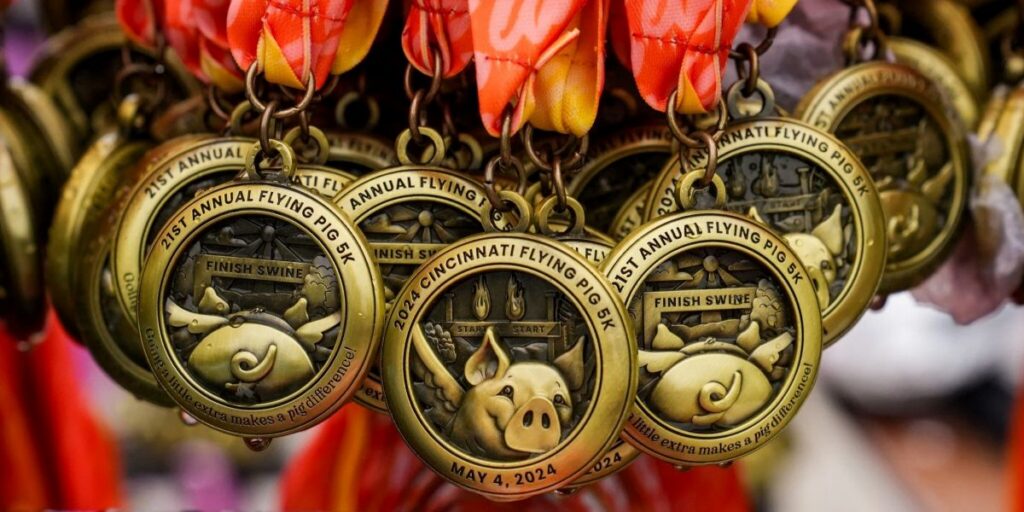
For finishes, they often use antique gold, antique silver, bright gold, matte black, or two-tone plating. If the medal will be handled often, they may prefer protective coatings to reduce scuffs on custom medals in Australia.
How should they design the front of the medal?
They should make the main message readable from arm’s length. That usually means one focal element, one primary line of text, and minimal clutter.
They can add depth with raised and recessed areas, textured backgrounds, and selective enamel. Good contrast matters, especially when designing custom medals in Australia for photos and stage lighting.
What should they put on the back of the medal?
They should use the back for personalisation, event context, and practical details. Common choices include the recipient’s name, category, date, event location, or a short achievement line.
If variable data is needed, they can plan a blank area for engraving or laser marking. This is a simple way to make custom medals in Australia feel bespoke even on large orders.
How can they use colour without making the medal look cheap?
They should limit enamel colours to a small palette that matches the brand or event identity. Too many colours can reduce contrast and make details harder to read.
They can also consider soft enamel for texture or hard enamel for a smoother, more “jewellery-like” finish. When colour is used strategically, custom medals in Australia can look modern and high quality.
How should they choose a ribbon that looks intentional?
They should treat the ribbon as part of the design, not an afterthought. Width, weave, and print quality affect how premium the whole medal feels.
They can match ribbon colours to brand guidelines and add repeating logos or a short slogan. A strong ribbon choice can upgrade custom medals in Australia even when the medal design stays simple.
What files and proofing steps help avoid expensive mistakes?
They should provide vector artwork when possible, such as AI, EPS, or PDF. If they only have a PNG or JPG, they may need professional redraw to keep edges clean.
They should request a clear proof showing dimensions, plating, enamel callouts, and attachment method. Tight proofing is especially important for custom medals in Australia with small text, fine lines, or complex logos.
Other Resources : Editing and proofreading
How far ahead should they order custom medals in Australia?
They should order as early as they can, because design approvals, sampling, and shipping can take time. Rush timelines often limit finish options or increase costs.
If an event date is fixed, they should work backwards from delivery, allowing time for revisions. Planning ahead also makes it easier to add engraving and packaging to custom medals in Australia.
How can they control cost while still getting a great result?
They can control cost by simplifying the shape, limiting enamel colours, and choosing an efficient production method. They can also keep the design consistent year to year and only update the date or category.
They should spend where it shows most, such as thickness, clean plating, and ribbon quality. With smart trade-offs, custom medals in Australia can look premium at almost any budget.
More to Read : Acrylic Pins vs Enamel Pins: Which Is Better for Custom Designs at Scale?