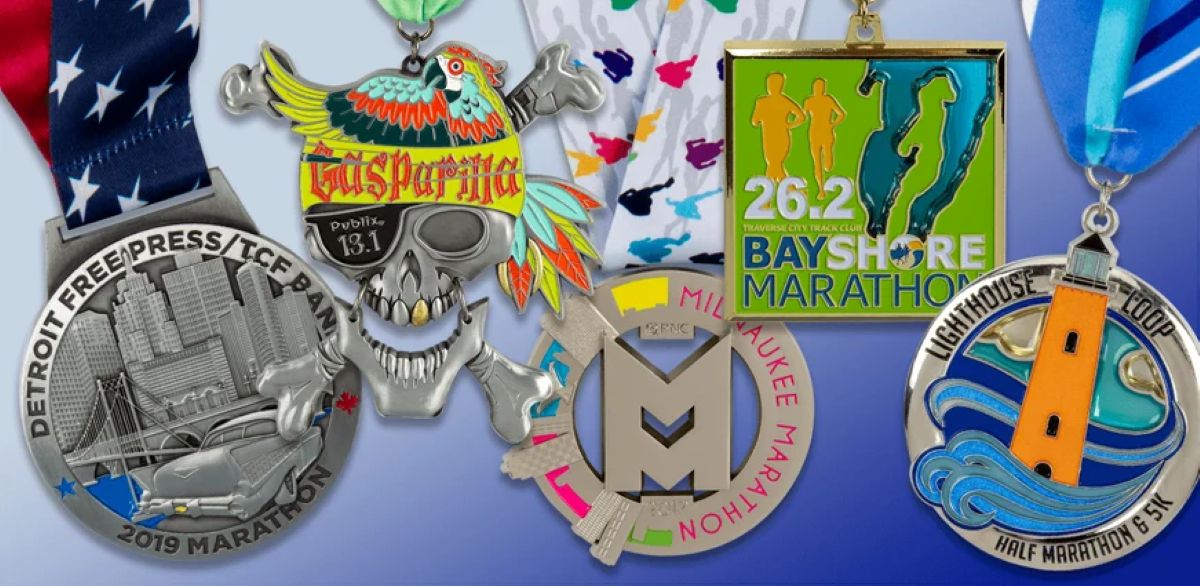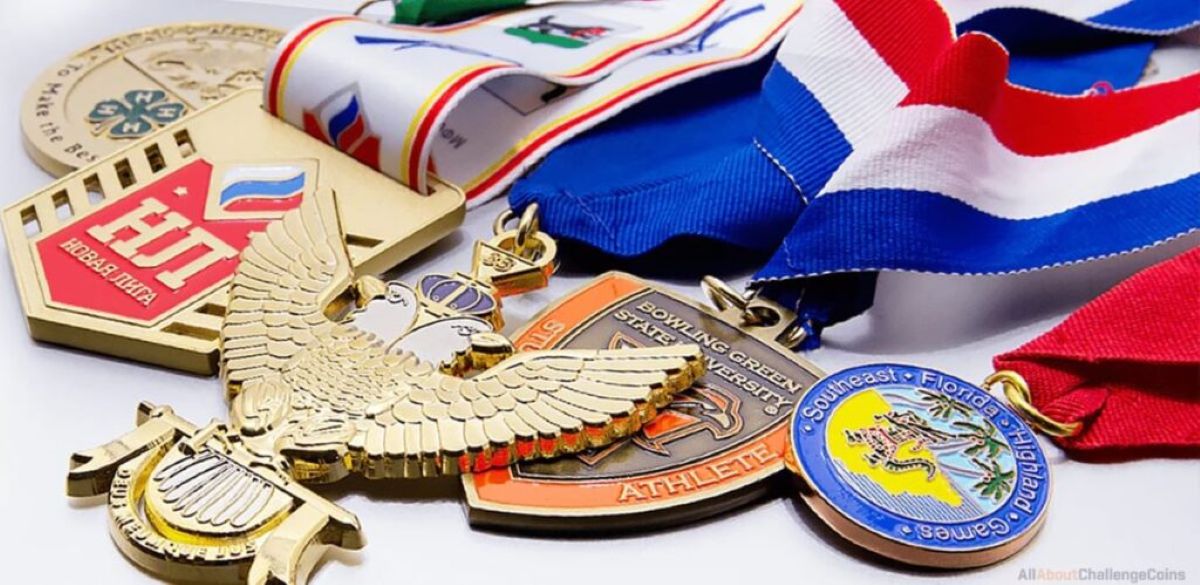
This guide breaks down Acrylic Pins vs Enamel Pins for custom designs at scale, with clear tradeoffs and practical decision points.
What are acrylic pins, and what makes them scalable?
Acrylic pins are printed designs on clear or colored acrylic, typically cut to shape and finished with a protective layer. They scale well because production is closer to printing than metalworking, so turnaround can be faster and pricing can stay predictable at higher quantities.
In acrylic lapel pins vs Enamel Pins, acrylic is usually chosen when designs change often, campaigns move quickly, or color gradients and photo-like artwork are important.
What are enamel pins, and why do they feel more “premium”?
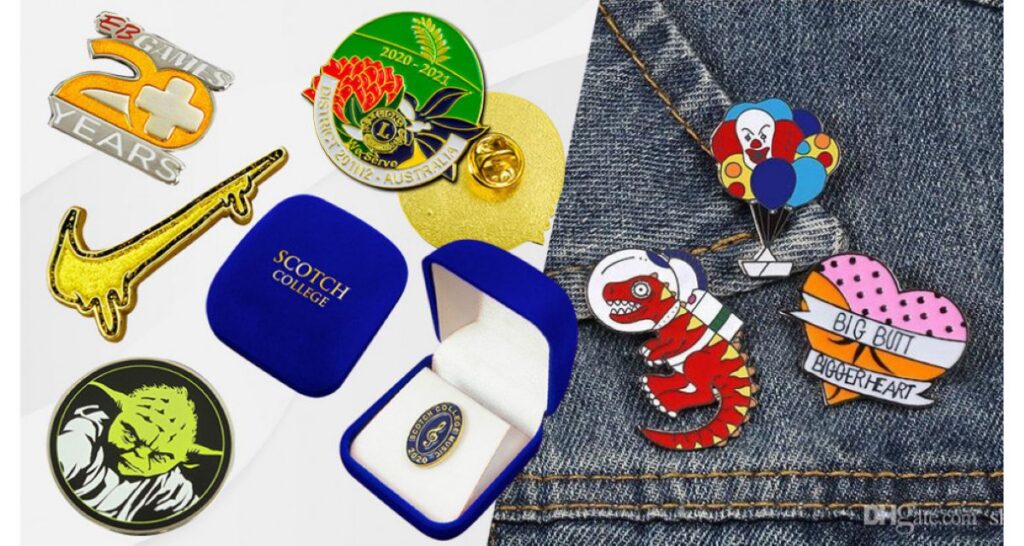
Enamel pins are made from metal molds, filled with enamel color, then polished and plated. They often feel heavier, more durable, and more like a collectible item, which is why many brands use them for long-term products and retail.
In Acrylic Pins vs Enamel Pins, enamel is usually favored when the goal is a classic, high-end look that customers recognize immediately.
Which option is cheaper per unit at scale?
Acrylic pins are often cheaper upfront, especially for smaller-to-mid bulk orders, because setup can be simpler and printing is efficient. Enamel pins can become cost-effective at high volumes, but mold fees and metal finishing can raise initial costs.
For Acrylic Pins vs Enamel Pins, the cheapest choice depends on whether the design will be reused long enough to justify enamel’s setup and whether the order size is large enough to dilute those fees.
Which option has faster production times for bulk orders?
Acrylic pins usually have faster production since they rely on print, cut, and assemble workflows. Enamel pins typically take longer because they require mold creation, plating, filling, curing, and polishing steps.
In Acrylic Pins vs Enamel Pins, acrylic is often the safer choice when the timeline is tight or when a brand expects multiple revisions before finalizing artwork.
Which option handles complex artwork and full color better?
Acrylic pins generally handle complex illustrations, tiny details, gradients, and full-color art more easily because the design is printed. Enamel pins are better for bold, simplified shapes with clean linework, since each color area is separated by metal borders.
In Acrylic Pins vs Enamel Pins, acrylic usually wins for “illustration-first” designs, while enamel wins for iconic, logo-like designs that benefit from hard edges.
Which option is more durable for daily wear and shipping?
Enamel pins tend to be more scratch-resistant and impact-resistant because of their metal construction and hard finishing. Acrylic pins can be durable too, but they can be more prone to surface scratches, edge wear, or cracking if handled roughly.
In Acrylic Pins vs Enamel Pins, enamel is typically the better choice for customers who will wear the pin daily, toss it into bags, or keep it on jackets long-term. You may like to visit https://bioponica.net/custom-medals-australia-design-events-corporate-awards/ to learn more about custom medals in Australia and how to design them for events and corporate awards.
Which option offers more customization options at scale?
Acrylic pins offer flexible shapes, transparent effects, glitter inserts, layered pieces, and quick artwork swaps. Enamel pins offer premium plating choices, glow effects, screen-printed accents, and special finishes, but changes often require more setup.
For Acrylic Pins vs Enamel Pins, acrylic usually wins for rapid experimentation, while enamel often wins for “signature” designs that stay consistent across large runs.
Which option is better for brand consistency across large batches?
Enamel pins can be extremely consistent once the mold and color standards are locked, especially for repeat orders. Acrylic pins can also be consistent, but print calibration matters more, and different batches can show slight shifts if production settings vary.
In Acrylic Pins vs Enamel Pins, enamel is often preferred when a brand needs identical results across multiple reorders over time. Read more about Branding and logos – digital guide.
What should they choose for merchandising, events, and retail?
For events, giveaways, or short campaigns, acrylic pins are often a better fit because they are fast, flexible, and cost-efficient. For retail, collector drops, and premium bundles, enamel pins often justify a higher perceived value.
In Acrylic Pins vs Enamel Pins, the “better” choice depends on whether the pin is a marketing tool that must move quickly or a product meant to be sold and treasured.
How can they decide quickly for a large custom order?
They should choose acrylic pins when speed, full-color detail, and frequent design changes matter most. They should choose enamel pins when longevity, weight, and a classic premium finish are essential.
In Acrylic Pins vs Enamel Pins, the simplest scale rule is this: acrylic is usually better for fast-moving variety, while enamel is usually better for timeless designs meant to be reordered for years.