particularly across Australia. Understanding the risks that invasive roots pose to sewer lines, drainage systems, and building foundations highlights the importance of timely tree root removal. This guide offers an in-depth look at how tree roots interact with underground utilities and the resulting implications for maintenance, repair costs, and long-term prevention strategies.
By combining practical tips, research-based insights, and current industry developments, this resource helps you navigate the complexities of tree root removal and root management. Whether you’re a homeowner, property manager, or simply interested in how natural growth affects modern infrastructure, the following sections cover everything you need to know to protect your property effectively.
Understanding Tree Root Intrusion
How Tree Roots Invade Sewer Systems
Tree roots naturally seek out moisture, and sewer systems provide an ideal environment with plenty of water and nutrients. Once they encounter small cracks or joints in damaged pipes, roots can infiltrate and grow extensively. The process is gradual yet persistent, leading to significant blockages in both stormwater and sewer lines.
Recent studies highlight that tree roots are responsible for over 50% of all sewer blockages. These alarming statistics emphasise the importance of regular maintenance and monitoring of underground utilities. Homeowners should be aware of the potential cost implications of root removal, which can be a major financial burden, making professional advice from companies such as Trees Down Under, a Sydney’s premier tree removal company, especially valuable.
Historically, removal techniques have involved mechanical cutting or chemical treatments, each with its challenges. The debate over environmental impact and long-term effectiveness continues to shape ongoing research and industry practices.
The Science Behind Root Intrusion
Advanced research now uses big data and analytics to model the complex interactions between trees, soil, and pipes. Such analytical approaches help predict which areas are most vulnerable to root intrusion, thereby enabling proactive management strategies.
Innovative predictive methods, recently proposed by researchers in Australia, offer hope, enabling planners to identify high-risk spots along the sewer network. This fusion of traditional horticulture and modern data science is revolutionising how we approach tree root management.
The scientific community has made strides in integrating environmental factors, pipe material types, and tree species characteristics. Combining these datasets provides a fuller picture of potential risks and improves the accuracy of predictive models.
Impact on Sewer Networks and Infrastructure
Economic and Operational Costs
The economic impact of tree root intrusion can be staggering. Beyond the occasional inconvenience, the combined cost of repairing sewer blockages and removing invasive roots adds up over time. Homeowners and local authorities are forced to contend with substantial repair bills and often frequent intervention services.
Root removal, while necessary, is not simply a one-off solution. Given that mature tree roots can extend two to three times the canopy’s diameter, the regrowth can be just as problematic if not properly managed. These recurring issues add an extra layer of complexity to urban planning and property maintenance.
Insurance premiums may increase, and property values can diminish if recurring blockages and foundation issues persist unaddressed. This economic impact underscores the need for a comprehensive strategy, blending modern technology with robust maintenance practices.
Effect on Sewer Pipe Materials
Pipes come in various materials, and some are specifically more vulnerable to damage from tree roots. An Australian study highlighted that asbestos cement pipes are particularly prone to perforation and breakage due to their porous nature. This vulnerability calls for careful consideration during material selection and replacement planning.
The resistance of different materials to root intrusion is a technical yet crucial consideration. Materials like PVC may offer more resistance, but no pipe is entirely immune when roots are persistent and the structural integrity is compromised.
Decisions regarding pipe replacement or repair can benefit from integrating both traditional inspection methods and modern predictive analytics. Understanding the intersection of material science and environmental dynamics results in better long-term infrastructure resilience.
Risk to Building Foundations
How Roots Affect Foundations
Locating the boundary between natural root growth and harmful intrusion is vital not only for sewer networks but also for building foundations. Tree roots in expansive clay soils can exacerbate foundation issues. These soils, common in many parts of Australia, tend to shrink and swell, adding stress to already vulnerable structures.
When roots penetrate or even indirectly pressure the foundations, they can lead to cracks, shifts, and structural instability. Particularly in older buildings where foundations might be less robust, the damage can be severe and repair expensive.
The risk isn’t confined to any particular type of building. Both residential homes and commercial properties can suffer from foundational issues when tree roots push against concrete structures, leading to a gradual but continuous weakening of the base.
Preventative Measures for Foundation Protection
Preventive strategies are essential in mitigating the risk of tree root damage. Installation of root barriers can be a proactive measure to direct roots away from critical infrastructure. These barriers are designed to stop or slow down the growth of invasive roots, thereby reducing the chance of intrusion.
Professional inspections are invaluable. Regular monitoring, particularly after heavy rains or in seasons when roots are most active, can catch early signs of possible foundation damage. Investing in these preventative measures can save significant costs in the long run.
In some cases, alternative landscaping choices or even tree replacement might be necessary. Modern consultation with arborists, combined with foundation experts, often leads to tailored solutions that protect both the natural environment and built structures.
Modern Approaches to Tree Root Management
Predictive Analytics and Big Data
Big data is paving the way for more effective tree root management. By analysing extensive datasets on soil conditions, tree growth patterns, and historical sewer blockages, researchers can predict which parts of a sewer network are most vulnerable. This data-driven approach has been increasingly applied in recent studies, with promising results.
Predictive analytics allow for targeted repairs rather than a blanket approach to all sewer lines. By identifying high-risk zones, maintenance teams can prioritise intervention efforts and plan more efficient resource allocation, significantly reducing time and cost.
This method of analysis is already making waves in Australia, where local councils have started collaborating with research institutions to map risky areas. The synergy between academic research and public infrastructure management is proving to be a winning combination.
Innovative Solutions for Root Removal
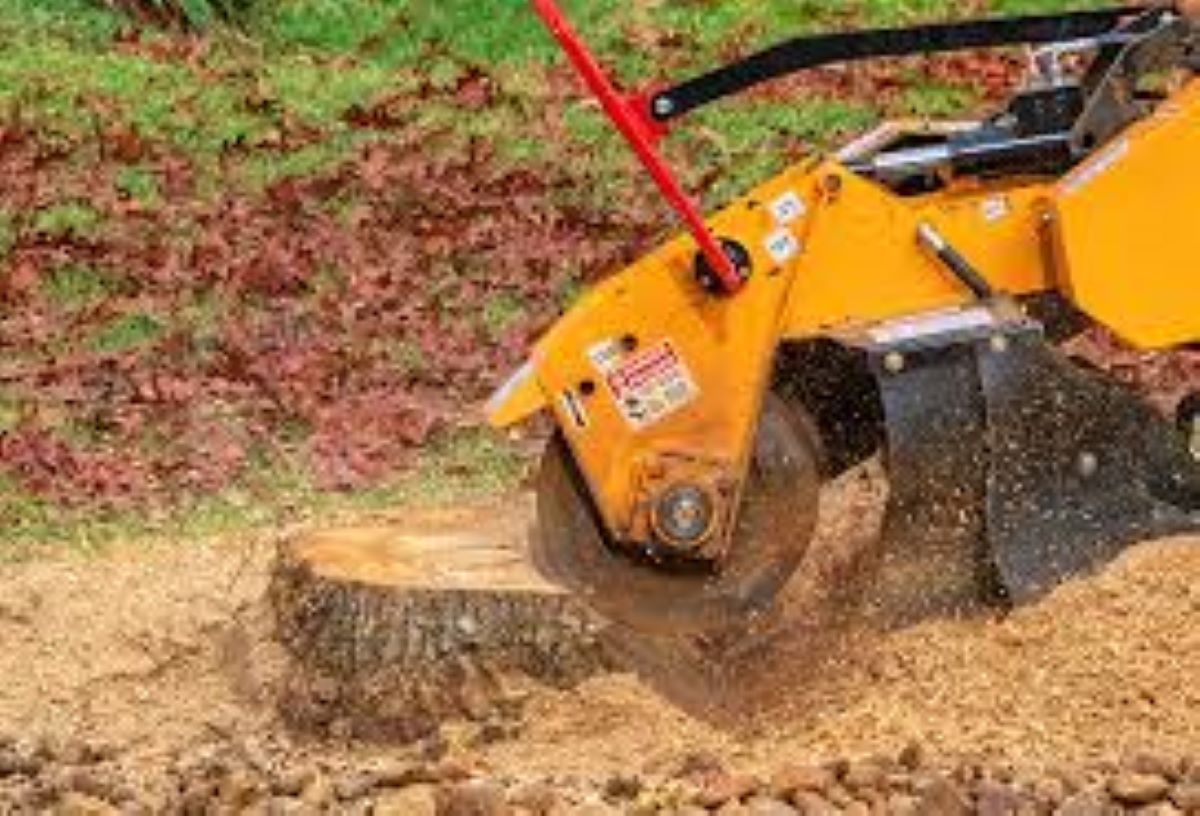
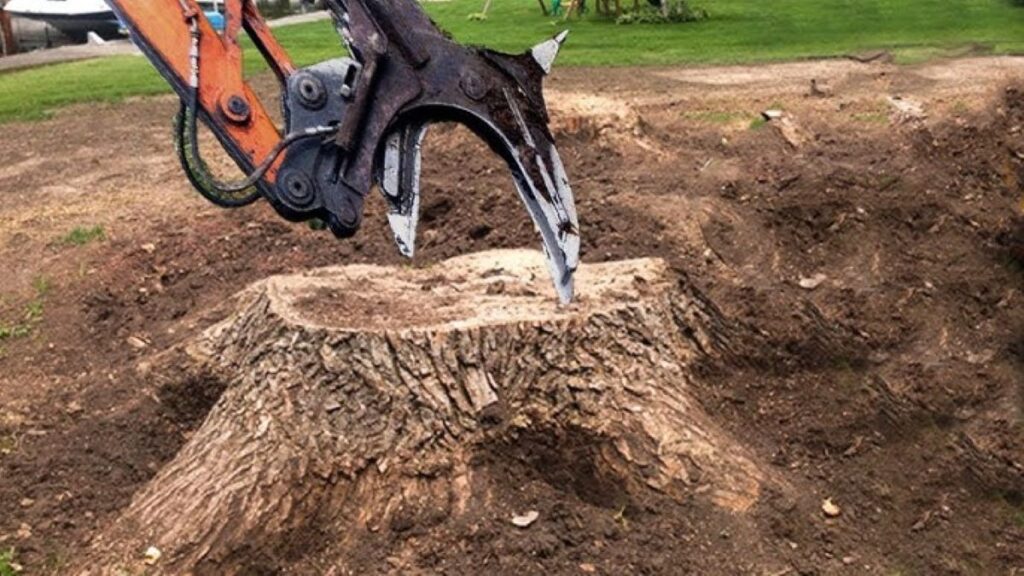
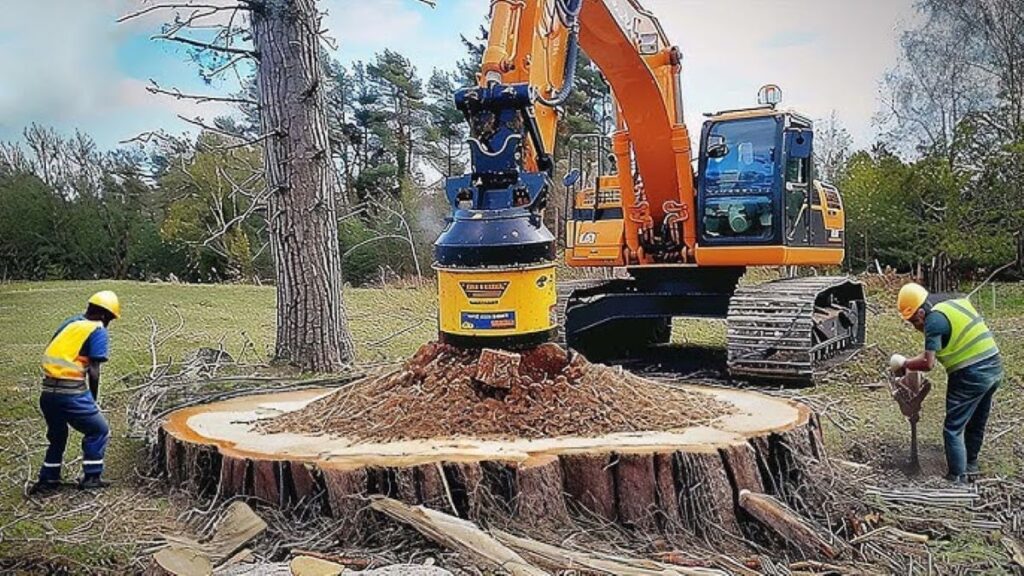
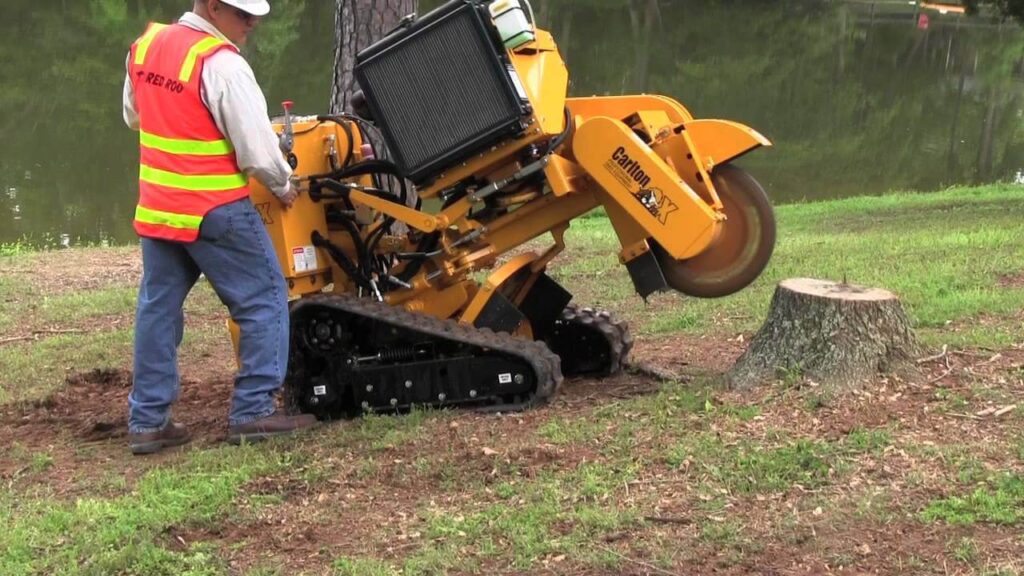
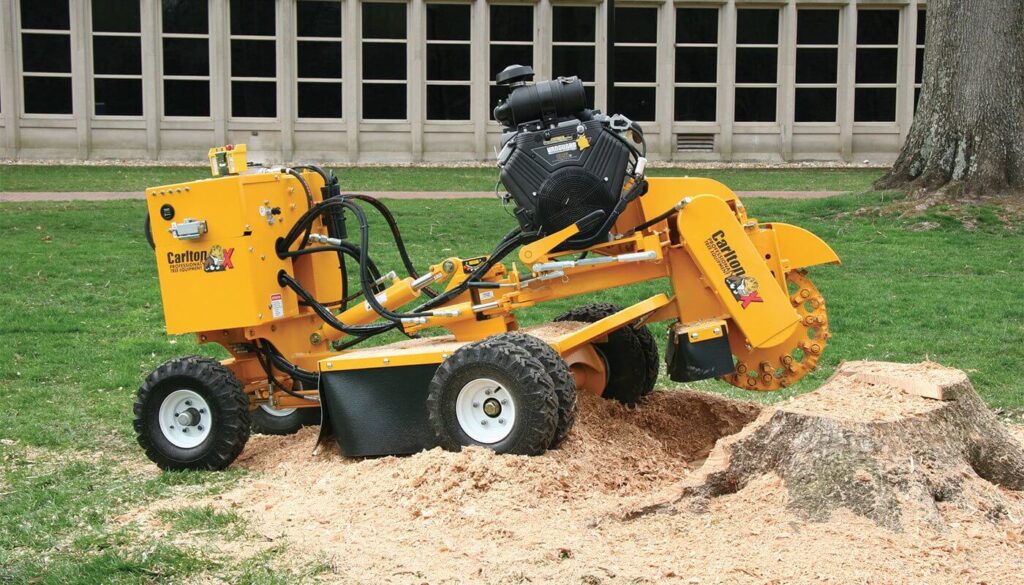
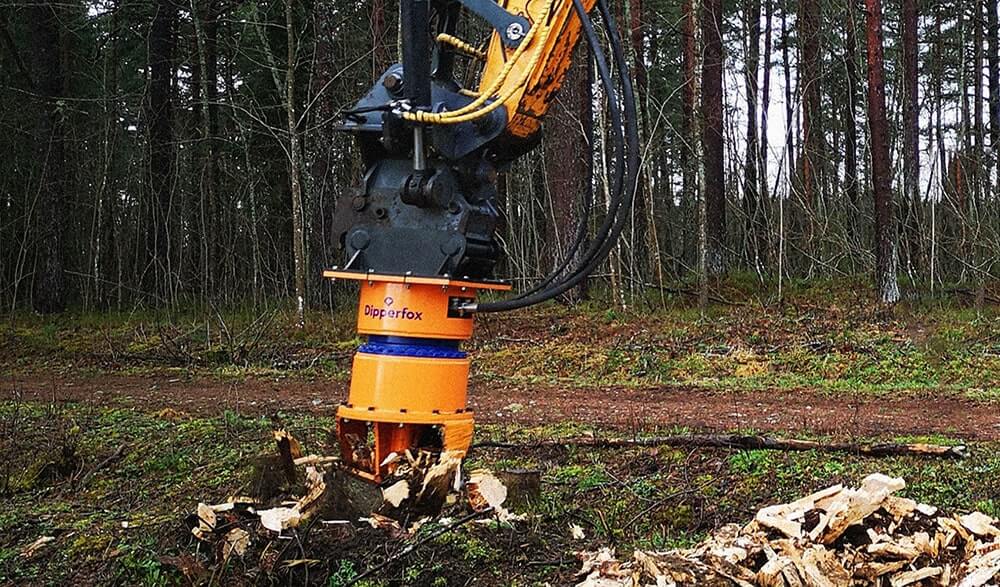
Conventional root removal techniques are undergoing a transformation. Mechanical cutters, chemical treatments, and even trenchless technology have found their niche in the ongoing battle against invasive roots. Each method has its advantages and limitations, and the choice often depends on the situation’s complexity.
Chemical treatments can be effective, but there is always concern over environmental impact. Mechanical methods, while more environmentally friendly, may not always reach deeper blockages. This balance of efficiency versus ecological sensitivity is a recurring challenge in modern environmental management.
The integration of robotics and remote sensors has begun to emerge as a promising frontier in root removal. These innovations can locate and precisely remove invasive roots, leaving much of the surrounding landscape undisturbed. They signal a future where technology and nature can coexist with minimal disruption.
Integrated Infrastructure Planning
Proactive infrastructure planning takes into account the dual challenges posed by tree roots to both pipes and foundations. Integrated approaches that consider landscaping, urban design, and sewage management holistically are becoming more common in Australian cities. This comprehensive planning minimises disruptions and future repair costs.
Urban designers now work with ecologists and civil engineers to create plans that allow for natural growth without compromising structural integrity. By designing systems that are both resilient and flexible, cities can better manage the natural encroachment of trees while maintaining robust infrastructure.
This multidisciplinary approach is essential. When experts in landscaping, engineering, and urban planning collaborate, they can develop innovative solutions that are beneficial both economically and environmentally. Such forward-thinking practices are already seeing success in parts of Australia.
Other Resources : Guide to managing the risks of tree work
Maintenance and Inspection Strategies
Regular Inspection Protocols
Regular inspections are key to mitigating the risks associated with tree root intrusion. Homeowners and councils alike should schedule routine checks of sewer lines and plumbing systems. Early detection of root intrusion can greatly reduce the extent of damage and the cost of repairs.
Visual inspections, combined with CCTV surveys, provide an in-depth view of the condition of underground pipes. These techniques allow experts to identify small cracks and potential entry points before they become problematic. A proactive stance can often prevent the need for major refurbishments.
Technological advancements, including drone-assisted inspections and remote sensors, are becoming more accessible. Such innovations enhance traditional inspection methods and offer a comprehensive picture of the situation beneath the surface.
Practical Steps for Homeowners
If you suspect that tree roots may be compromising your sewer pipes or foundation, professional advice should be your first call. Local plumbing experts and arborists can assess your property and recommend suitable measures. From the installation of root barriers to targeted root removal, there are several options available.
Homeowners should be observant of any unusual patterns, such as slow drains, repeated blockages, or visible cracks in walls and foundations. These instabilities might signal that invasive roots are beginning to cause trouble. An informed and proactive approach not only reduces future risks but also adds value to your property.
In many cases, integrating regular landscaping maintenance with a technical assessment can avoid costly repairs. Keeping a record of inspections and any intervention measures is also a wise strategy. Knowing the history of your property’s underground health can assist in making timely, effective decisions.
Other Resources : How Much Tree Pruning Can Be Done Without Damaging the Tree?
Environmental and Ecological Considerations
The Role of Trees in Urban Ecosystems
While the invasive growth of tree roots can pose serious issues, the trees themselves form a key component of urban ecosystems. They provide shade, enhance the aesthetic appeal, and contribute to the overall health of the environment. The challenge lies in balancing these benefits against the risk of infrastructural damage.
Urban planning increasingly recognises the importance of sustainable green spaces. Maintaining healthy trees while protecting infrastructure requires careful planning and innovative design. The integration of root barriers and advanced planting techniques can create a harmonious coexistence.
Living with trees in urban settings does not mean resigning to damage. With proper planning and expert intervention, the benefits of trees can be preserved without compromising the integrity of our sewer systems and foundations.
Minimising Environmental Impact During Removals
When it comes to root removal, environmental sensitivity is crucial. The methods used must minimise chemical runoff and soil disruption while effectively mitigating the risks to pipes and foundations. This delicate balance ensures that the ecosystem remains largely undisturbed.
Innovative removal techniques now strive to reduce the ecological footprint of interventions. Mechanical methods, coupled with modern robotics, are designed to be less invasive. These approaches help preserve nearby vegetation and reduce the risk of collateral damage during removal activities.
Environmental regulators in Australia have increasingly emphasised the need for sustainable practices. The focus is not solely on damage prevention but ensuring that every intervention contributes to a broader goal of maintaining urban ecological health.
Long-Term Solutions and Future Developments
Emerging Technologies and Research
The future offers promising solutions for mitigating tree root damage. Advances in sensor technology, robotics, and data analytics are all set to play a role in early detection, accurate forecasting, and efficient removal practices. Researchers are continually refining predictive models that incorporate environmental data and pipe conditions.
Some of the most exciting developments include the use of remote monitoring systems. These systems continuously track the condition of sewer pipelines, keeping tabs on potential intrusions. Early warning systems not only alert homeowners but also local councils, leading to prompt responses before extensive damage occurs.
Collaborative research between Australian universities and local councils is paving the way for innovative solutions. The integration of cutting-edge technology with conventional maintenance practices is reshaping the future of infrastructure management, hopefully reducing the risks for generations to come.
Holistic Urban Infrastructure Management
A holistic approach that brings together urban planning, ecological management, and technological innovation is essential for addressing tree root impacts. Australian cities, facing the dual challenge of natural growth and ageing infrastructure, are at the forefront of developing integrated strategies.
Long-term urban infrastructure planning is now incorporating not only traditional repair and maintenance but also predictive analytics and multidisciplinary research. This approach addresses both current problems and future risks. It creates a resilient cityscape that can withstand natural challenges while ensuring sustainable urban development.
The ongoing dialogue among engineers, arborists, urban designers, and policy makers is crucial. Their combined expertise is driving reforms and policies that facilitate proactive management of tree root risks. Such comprehensive planning encourages community engagement and builds a long-term vision for safe, sustainable urban living.
Practical Advice and Final Thoughts
Steps to Take Immediately
For those who suspect tree root intrusion in their properties, the first step is to get a professional assessment. Look for signs like slow drainage or minor cracks in walls and foundations. These may be early indicators of a more significant issue.
Engage local experts who can provide a detailed inspection using modern imaging techniques. Early detection and intervention can substantially reduce repair costs and prevent further damage. Setting up an inspection schedule-preferably annually or after significant weather events-is a proactive measure.
Prioritise solutions that offer long-term benefits. Whether it involves installing root barriers, updating old pipe materials, or rethinking landscaping designs, starting early pays dividends in structural integrity and maintenance costs over time. Professional advice often reveals the most efficient and cost-effective route.
Advice for Future-Proofing Your Property
Invest in periodic maintenance and remain informed about the latest research developments. Even if there are no immediate signs of trouble, proactive maintenance is the best defence against unexpected failures. Modern technology now offers detailed insights into the health of underground systems.
Utilise smart home systems integrated with environmental sensors that can alert you to potential issues before they become serious. Combining traditional inspection techniques with modern technology creates a robust safeguard for your property. Future-proofing means preparing for tomorrow’s challenges today.
As urban areas continue to grow and evolve, the integration of live data, expert advice, and sustainable practices will become the norm. Homeowners who engage with these modern methods will not only protect their property but contribute to a healthier, more resilient urban ecosystem.
Conclusion
Balancing Natural Growth and Modern Infrastructure
Tree roots are a testament to nature’s resilience. However, when they invade our sewer networks and foundations, they pose significant challenges. By staying informed and proactive, homeowners and local authorities can manage these risks effectively.
This comprehensive approach calls for a blend of traditional maintenance, modern predictive analytics, and sustainable practices. Balancing the beauty of nature with our modern infrastructure requires thoughtful planning and innovation.
The ongoing research and emerging technologies provide tangible hope. With each new development, the chances of mitigating extensive damage improve. Adopting holistic strategies today can ensure the longevity of infrastructure and the continuity of urban natural beauty.
Final Reflections
In Australia, where urban landscapes meet dynamic natural environments, the story of tree root intrusion is one of adaptation and resilience. Proactive measures, combined with ongoing research and community awareness, pave the way for safer, cost-effective urban living.
Whether through regular inspections, innovative removal techniques, or integrated infrastructure planning, every effort counts. In preserving both our trees and our built environment, we strike a delicate balance that benefits communities for years to come.
Ultimately, the journey towards protecting our pipes and foundations is a shared responsibility, one that blends technological progress with the timeless rhythms of nature. Stay engaged, stay informed, and take action before small issues grow into costly problems.