Posted on Leave a comment

Stump Grinding Near Me: Affordable and Efficient Options

Stump Grinding Near Me

When it comes to maintaining a beautiful garden or yard, one often overlooked aspect is the removal of tree stumps. Whether the tree has succumbed to disease, been damaged by a storm, or simply outgrown its space, the remaining stump can be an eyesore and create safety hazards. In this article, we will explore the process of stump grinding, the factors influencing its cost, how to find affordable services, and the efficiency associated with modern stump grinding techniques.

Understanding the Process of Stump Grinding

Stump grinding involves using a specialised machine to mechanically grind down the tree stump to below ground level. This process not only eliminates the unsightly stump but also allows for the area to be reclaimed for landscaping or other uses. Let’s delve into the importance of stump grinding and the mechanics behind it.

The Importance of Stump Grinding

The removal of tree stumps is essential for several reasons. Firstly, stumps can create a significant tripping hazard, particularly in gardens frequented by children or guests. They can also interfere with landscaping efforts, making it difficult to plant new grass or shrubs in the area, ultimately affecting the aesthetic appeal of your outdoor space.

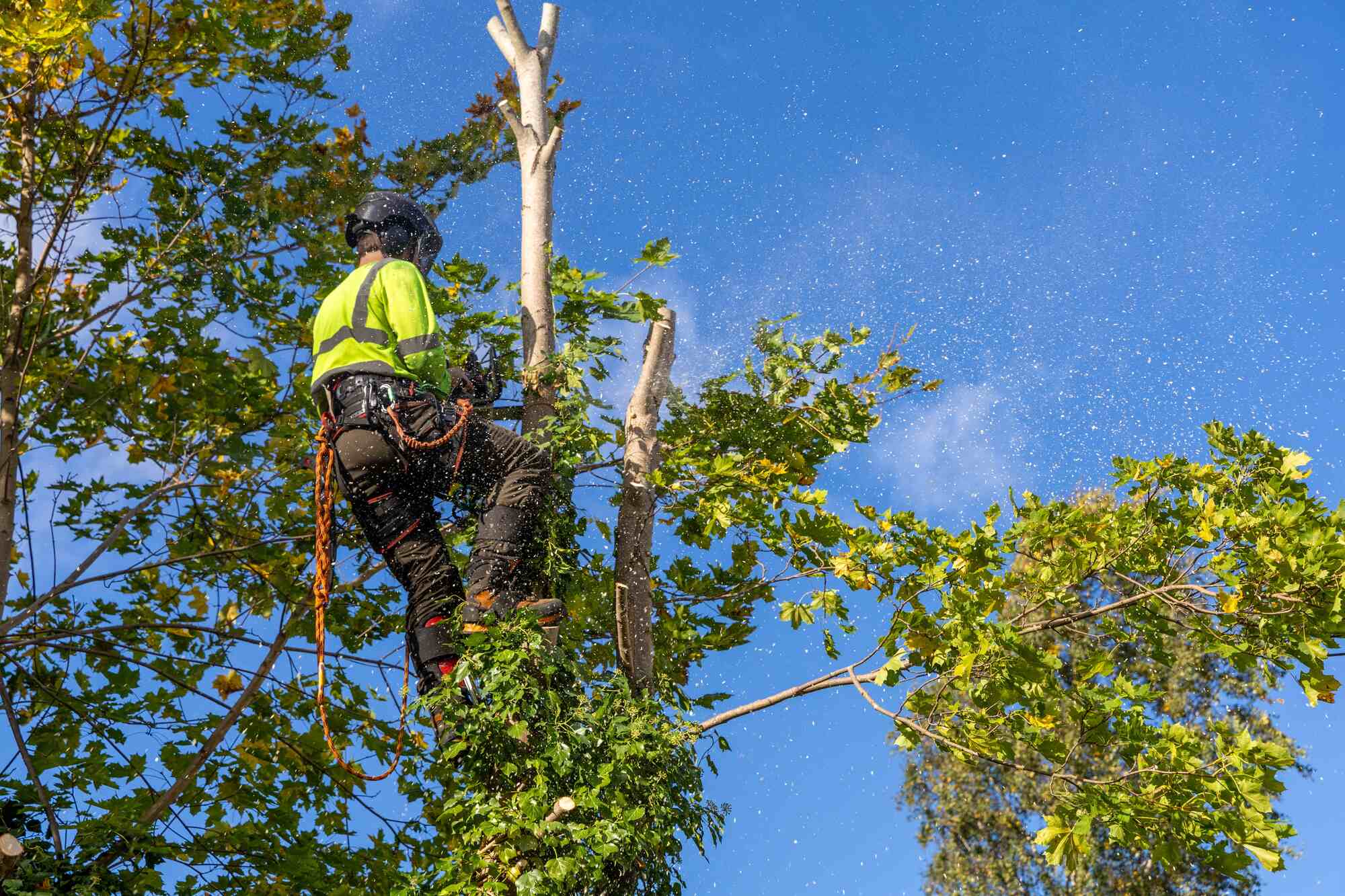
Moreover, stumps can attract pests such as termites and beetles, which can spread to other trees or even enter your home. By grinding down or removing the stump, you can reduce these risks and create a safer, more beautiful environment. Additionally, stumps left to decay can lead to fungal growth, which may adversely affect the health of nearby plants. Therefore, addressing stumps promptly not only enhances the visual appeal of your garden but also promotes a healthier ecosystem overall. Click here to get about choosing the right tree lopping service for your property.

How Stump Grinding Works

The actual process of stump grinding utilises a machine equipped with a powerful rotating blade that can grind the stump into small wood chips. The operator guides this machine over the stump, gradually grinding it down into the soil.

This is a quicker alternative to traditional methods of stump removal, such as digging the stump out, which can be labor-intensive and time-consuming. Stump grinding leaves the roots more intact than digging does, which can be beneficial for the surrounding ecosystem. The wood chips produced during the grinding process can be repurposed as mulch, providing a natural ground cover that helps retain moisture in the soil and suppress weeds. This not only reduces waste but also contributes to the overall health of your garden, making stump grinding an environmentally friendly choice.

Factors Affecting the Cost of Stump Grinding

The cost of stump grinding can vary significantly based on several factors. Understanding these can help you budget for this essential service without any unpleasant surprises. Here are the key factors that can affect the pricing.

Size of the Stump

The size of the stump is one of the most significant determinants of the cost. Larger stumps require more time and effort to grind down, making them more expensive to remove. Some companies may charge a flat fee per inch of diameter, while others may provide a quote based on the overall project size.

Location and Accessibility

Another crucial factor is the location of the stump. If it is situated in a hard-to-reach area, such as close to buildings, fences, or other obstacles, the job may require more time and specialised equipment. This can also influence the overall cost of the service; thus, it’s vital to consider accessibility when requesting a quote.

Stump Grinding Near Me

Species of the Tree

The species of the tree also plays a role in the cost of stump grinding. Different types of wood have varying levels of density and hardness, which can affect the time taken to grind the stump. Hardwoods such as oak or hickory may take longer and require more powerful equipment than softer woods like pine or fir.

How to Find Affordable Stump Grinding Services

Locating affordable stump grinding services near you involves a bit of research and comparison shopping. Here’s how to efficiently approach the search.

Doing Your Research

Start by researching local stump grinding companies. Look for online reviews and testimonials that provide insight into their reliability and the quality of their work. Don’t hesitate to ask friends, family, or neighbours for recommendations, as word-of-mouth can often lead you to trustworthy service providers.

Asking for Quotes

Once you have a shortlist of companies, reach out to them and request quotes. It’s wise to ask for detailed estimates that itemise the costs associated with the job. This transparency will help you compare prices more effectively. Remember, the cheapest option may not always be the best; consider the reputation of the company along with their pricing.

Checking for Hidden Costs

Before proceeding with a service, it’s crucial to ask about any potential hidden costs. Some companies may charge additional fees for travel, debris removal, or special equipment usage. Clarifying these details ahead of time will prevent any unexpected expenses once the job is underway.

Stump Grinding Near Me

Efficiency in Stump Grinding Services

Efficient stump grinding services not only save time but also ensure that the process is completed with minimal disruption to your property. Let’s explore the modern techniques and equipment that contribute to this efficiency.

Modern Equipment and Techniques

Today’s stump grinding equipment is more advanced than ever before. Most companies utilize high-powered stump grinder hire Sydney that can quickly and effectively tackle stumps of all sizes. Some equipment is even equipped with tracks instead of wheels, allowing for better maneuverability in tight spaces without damaging your lawn.

Additionally, many professionals are well-trained in the latest grinding techniques, enabling them to complete the job efficiently while producing excellent results.

Time Taken for the Process

Typically, stump grinding can take anywhere from 30 minutes to a few hours, depending on the stump’s size and the equipment used. Efficiency is key, and reputable companies will streamline the process without compromising on quality.

Clean-Up After Grinding

After the stump has been ground down, a responsible service provider will ensure that the area is cleaned up. This often involves removing the wood chips or grinding debris and restoring the area to a tidy state, ready for replanting or landscaping. A reliable company will consider the entire process, leaving you satisfied with the outcome.

In conclusion, stump grinding is an essential service for those looking to reclaim their outdoor spaces. By understanding the process, the factors influencing cost, and how to find affordable and efficient services, you can ensure a smooth experience and an aesthetically pleasing garden.

More to read: Same Day Flower Delivery Sydney Perfect Blooms Delivered on

Posted on Leave a comment

Choosing the Right Tree Lopping Service for Your Property

Tree Lopping Service

Choosing the right tree lopping service can be a daunting task, especially if you have never had to consider hiring one before. Trees are vital to our environment and can enhance the beauty of your property, but there comes a time when lopping becomes necessary for safety and health reasons. In this article, we’ll explore the essentials you need to know about tree lopping and how to select the perfect service for your needs.

Understanding the basics of tree lopping

To make an informed decision, it’s essential to understand what tree lopping entails and its significance. Tree lopping service involves the trimming or removal of branches from a tree, which can help maintain the tree’s health, improve its appearance, and even ensure safety in your garden.

What is tree lopping and why is it necessary?

Tree lopping, essentially, is the act of cutting off certain branches or even entire limbs to promote better growth and health of the tree. It’s necessary for several reasons, including:

  • Removing dead or diseased branches
  • Improving tree structure and reducing wind resistance
  • Enhancing the aesthetic appeal of your landscape
  • Preventing potential hazards, especially in storm-prone areas

By understanding these fundamentals, you’re better equipped to appreciate the importance of hiring a professional service to execute this task effectively. Learn more about affordable and efficient options for stump grinding.

The potential risks of improper tree lopping

While the idea of taking care of trees might seem straightforward, improper lopping can lead to severe issues. Cutting too much can damage the tree’s overall health, resulting in slow growth or even death. Moreover, inexperienced workers might fail to secure the area appropriately, posing safety hazards to both people and property.

Ensuring that you hire a knowledgeable and qualified service helps mitigate these risks significantly. Always remember, tree care isn’t just about aesthetics; it’s about the well-being of a living organism.

Factors to consider when choosing a tree lopping service

Once you grasp the essentials of tree lopping, it’s time to delve into how to choose the right service for the job. Several factors are essential to evaluate to ensure you receive quality and professional service.

Evaluating the experience and qualifications of the service provider

Experience matters in tree lopping. A service that has been in business for several years is usually more reliable than a new entrant. Look for qualifications, certifications, and memberships in professional associations like the Arboricultural Association, which can indicate a standard of competence.

Don’t hesitate to ask for references or reviews from past clients. This feedback will provide insight into their work ethic, reliability, and the overall quality of service they offer.

Tree Lopping Service

Assessing the safety measures in place

Safety should be a number one priority when hiring a tree lopping service. Inquire about the safety protocols they follow. A well-equipped service provider will have proper safety gear, such as helmets, gloves, and harnesses, for their team, as well as a plan to manage the surrounding area effectively during the work.

Additionally, they should carry appropriate insurance to protect you and their workers from any potential accidents or damages that may occur during the operation.

Understanding the cost and value for money

Cost always plays a significant role in decision-making. Collect multiple quotations to get an idea of the market rate. However, don’t merely settle for the cheapest option. Look for value for money by assessing what services are included in the quote.

Some companies might offer additional services, like site clean-up or aftercare advice, which could benefit you in the long run. Always remember, sometimes paying a bit more can save you from future costs associated with damages due to improper work.

The process of hiring a tree lopping service

The journey doesn’t end with choosing a service; knowing what to expect during the hiring phase will make the process smoother.

Initial consultation and quotation

The first step usually involves an initial consultation where the service provider assesses your trees and provides you with a detailed quotation. This is the time to ask questions about their experience and safety measures.

Asking for clear, written quotes helps you understand the costs associated with each aspect of the service provided. Make sure everything discussed is documented to avoid misunderstandings later.

Preparing your property for tree lopping

Once hired, you might need to prepare your property. Clear any furniture, vehicles, or delicate plants from the vicinity of the trees to prevent any potential damage during the lopping process. Discuss with the service provider about any additional preparations they recommend.

Good communication is key here to ensure both parties are aligned on expectations.

Tree Lopping Service

What to expect on the day of the service

On the day of the service, expect the team to arrive with the necessary equipment and safety gear. They should conduct a quick assessment before commencing work. It’ll be a busy day with machinery and workers around, so it’s essential to understand that noise and some mess are part of the process.

Feel free to ask questions while they work, as this can give you further insights into their methods and ensure everything is going according to plan.

Post-service care and maintenance

After tree lopping, many homeowners overlook the critical phase of post-service care. Knowing how to look after your trees after lopping is important for their health and longevity.

How to care for your trees after lopping

After lopping your trees, provide them with adequate water and nutrients to support their recovery. Monitor the tree for signs of distress or disease, especially after significant work has taken place. Remember, just because they’ve been cut doesn’t mean they don’t require ongoing care.

When to schedule your next tree lopping service

Scheduling your next lopping service can be influenced by the type and growth rate of your trees. It’s often best to evaluate every couple of years to ensure your trees maintain their health and shape. Keeping a regular schedule can help avoid significant issues in the future.

Dealing with potential issues after tree lopping

Sometimes trees may react unexpectedly after lopping. Look out for signs like unusual growth patterns or diseases. If you notice anything unusual, don’t hesitate to contact your service provider for advice or follow-up care.

Taking such proactive measures can help maintain the quality and health of your trees for many years to come.

More to read: Worm Farming in the Biogarden plus Microbe Tea Brewing

Posted on Leave a comment

Same Day Flower Delivery Sydney: Perfect Blooms Delivered on Time

same day flower delivery

In the bustling metropolis of Sydney, life moves fast, and sometimes, the need for a thoughtful gesture arises unexpectedly. Whether it’s a birthday, anniversary, or just to show you care, sending flowers can say it all. With same day flower delivery options at hand, you can ensure that your sentiments are delivered on time, adding a special touch to any occasion.

Understanding the importance of timely flower delivery

When it comes to gifting, timing can be everything. The emotional impact of receiving flowers can be overwhelming, especially if they arrive at the moment they are most needed. Imagine your loved one’s surprise when a beautiful bouquet arrives at their doorstep, brightening their day, and reminding them they are cherished. The timely delivery of flowers can transform an ordinary moment into something truly special. Whether it’s a birthday, an anniversary, or simply a gesture of love, the right flowers delivered at the right time can create lasting memories that are cherished for years to come.

Moreover, the anticipation of receiving flowers can be just as delightful as the gift itself. The knowledge that someone is thinking of you, coupled with the excitement of a surprise delivery, can evoke feelings of joy and appreciation. This anticipation is particularly heightened during significant life events, such as graduations or new job celebrations, where the arrival of flowers can serve as a tangible reminder of support and encouragement from friends and family. In this way, timely flower delivery not only enhances the experience of gifting but also strengthens the bonds between individuals.

The emotional impact of flower gifting

Flowers convey a range of emotions – love, sympathy, gratitude, and joy. Each bloom carries its own meaning, creating a powerful message that words sometimes fail to express. For instance, red roses signify romantic love, while yellow tulips convey cheerful thoughts. During times of sorrow, sending delicate lilies can provide comfort and solace. The right flowers at the right time can lift spirits and improve someone’s day immensely. Additionally, the fragrance and beauty of fresh flowers can evoke cherished memories, transporting the recipient back to a moment in time that holds special significance.

Furthermore, the act of gifting flowers can also foster deeper connections between individuals. When someone receives a bouquet, it serves as a reminder of the thoughtfulness behind the gesture. This can be particularly important in relationships where expressing emotions verbally may not come easily. A carefully chosen arrangement can speak volumes, allowing the giver to convey sentiments that might otherwise remain unspoken. The emotional resonance of flowers, combined with their timely delivery, can create a profound impact that strengthens relationships and nurtures emotional well-being.

The role of punctuality in gift delivery

Punctuality plays a vital role in the joy of gift-giving. In today’s fast-paced world, knowing that your flowers will arrive exactly when expected adds an extra layer of excitement. Same day delivery services are designed to meet these expectations, ensuring your thoughtful gesture reaches its recipient with impeccable timing. This reliability establishes trust, making customers feel assured that their gifts will arrive just as intended. Additionally, many florists offer tracking services, allowing senders to monitor their delivery in real-time, further enhancing the experience.

Moreover, the significance of punctuality extends beyond mere convenience; it reflects the sender’s commitment and consideration. When flowers arrive on a special occasion, it demonstrates that the giver values the recipient’s time and emotions. This attention to detail can make a substantial difference, particularly in professional settings where a timely gesture can strengthen business relationships or express gratitude. In a world where delays can often lead to disappointment, the assurance of timely flower delivery serves as a testament to the thoughtfulness and care that goes into each gift, making every occasion feel truly memorable.

The process of same day flower delivery in Sydney

The process behind same day flower delivery is both efficient and seamless, allowing you to send your love with just a few clicks. It starts with placing an order, which is promptly processed to ensure the arrangements meet same day delivery criteria. The florists know exactly how to handle each order, preparing the freshest blooms available.

same day flower delivery

How orders are processed for same day delivery

Once your order is placed, the team springs into action. The florists check their inventory for the freshest blooms and begin creating your bouquet. The aim is to have your stunning arrangement ready for delivery as swiftly as possible. Flattened orders or combinations often lead to delays, so being clear about your choices helps speed things up.

The journey of your flowers: from selection to delivery

After the gorgeous bouquet is prepared, it’s then carefully arranged and packaged. The delivery team takes great care in handling your flowers, ensuring they remain fresh during transit. With a clear tracking system in place, you can stay updated on when your bouquet is en route, creating a sense of anticipation for both sender and recipient.

The variety of flowers available for same day delivery

One of the best parts about same day flower delivery is the diverse selection available. Whether you’re after classic roses, vibrant orchids, or charming wildflowers, you can find the perfect floral arrangement to suit any occasion. The variety guarantees that no matter the event, there’s always something suitable to send.

Popular flower choices for same day delivery

Among the favourites for same day delivery are roses, lilies, and gerberas. Roses are ideal for romantic gestures, while lilies often find their way into sympathy arrangements. Gerberas, with their bright and cheerful appearance, are popular for birthdays and celebrations. Whatever the case, florists curate bouquets based on trend and seasonality, ensuring that your gift is not only beautiful but also meaningful.

Seasonal blooms available for immediate delivery

Another exciting aspect is the inclusion of seasonal flowers. For example, in spring, delightful daisies and vibrant tulips thrive, while summer brings sunflowers and peonies into the mix. Autumn offers warm hues with chrysanthemums and dahlias, and winter showcases elegant winter blooms like amaryllis and poinsettias. Having access to seasonal flowers means unique arrangements throughout the year.

Ensuring the quality of your delivered flowers

While same day delivery is impressive, the quality of the flowers is paramount. Florists take immense pride in ensuring that every bloom is of pristine quality. This commitment ensures that your flowers not only look stunning upon arrival but also last longer.

How freshness is maintained in same day delivery

To maintain freshness, florists hold flowers in cold storage until they are ready for delivery. This ensures that they remain hydrated and in optimal condition. Additionally, professional florists are trained to handle flowers with care, ensuring every stem and petal is treated with respect.

Packaging and delivery methods to protect your flowers

Packaging is another crucial step in preserving the quality of flowers during transit. Bouquets are wrapped in moisture-retaining materials and secured to prevent any shifting. The delivery personnel are trained to transport flowers smoothly, safeguarding them against any potential damage in transit.

Frequently asked questions about same day flower delivery in Sydney

Even with all the information available, it’s natural to have a few questions before placing your order. Fortunately, the most common queries can be readily answered.

What time should I place my order for same day delivery?

To ensure your flowers are delivered on the same day, it’s advisable to place your order by a certain cut-off time, typically around 2 PM. However, this can vary depending on the florist, so it’s always best to check with them directly for their specific guidelines.

Can I customise my flower arrangement for same day delivery?

Many florists offer customisation options for same day deliveries. This gives you the freedom to create a unique bouquet tailored to the recipient’s tastes or preferences. Just be sure to specify your desires clearly so they can accommodate your request quickly.

In summary, same day flower delivery in Sydney provides a fantastic way to brighten someone’s day, no matter the circumstance. With a focus on quality, variety, and punctuality, you can rest assured that your thoughtful gift will arrive just as you envision it. So why wait? Send some blooms today!

See Also: Valentine’s day flowers: stunning arrangements to celebrate your love.

Posted on Leave a comment

Valentine’s Day Flowers: Stunning Arrangements to Celebrate Your Love

valentines day flowers

Valentine’s Day is a special occasion that allows us to express our feelings through beautiful gestures. One of the most timeless and cherished gifts is a bouquet of flowers. In this article, we delve into the meaning behind these floral gifts, learn how to create stunning arrangements, care for them, explore unique options, and ensure your delivery makes the biggest impact.

Understanding the symbolism of Valentine’s Day flowers

Flowers have been used for centuries to convey emotions and messages. Each bloom carries its own significance, which can truly enhance the meaning behind your gift. Whether you’re declaring your love, friendship, or admiration, understanding this symbolism can help you choose the most fitting flowers.

The romantic language of flowers

Known as floriography, the language of flowers consists of a rich tapestry of meanings. Roses, particularly red ones, are synonymous with passionate love. Pink roses can denote admiration and gratitude, while yellow roses often speak of friendship. By understanding these subtle nuances, you can communicate your feelings without uttering a single word.

Choosing the right flowers for your message

When selecting your Valentine’s day flowers, think about the message you want to convey. Do you wish to express deep romance, a budding friendship, or perhaps gratitude towards a family member? Consider incorporating a mix of blooms that carry your intended sentiment. You may opt for classic arrangements or create something more personalised.

In addition to roses, other flowers also hold significant meanings that can enhance your message. For instance, tulips are often associated with perfect love, making them an excellent choice for a romantic partner. Lilies, with their elegant appearance, can symbolise purity and refined beauty, which may be perfect for a cherished friend or family member. Furthermore, daisies represent innocence and new beginnings, making them a delightful option for someone you are just getting to know. By thoughtfully selecting a variety of flowers, you can craft a bouquet that tells a unique story of your feelings.

Moreover, the presentation of flowers can also play a crucial role in the message you wish to convey. A simple bouquet wrapped in brown paper can evoke a sense of rustic charm and authenticity, while an elaborate arrangement in a glass vase may suggest sophistication and elegance. Consider the recipient’s personality and preferences when choosing the style of your floral gift. Adding a handwritten note that explains your choice of flowers can further personalise the gesture, transforming a beautiful bouquet into a heartfelt expression of your sentiments.

Creating a stunning Valentine’s Day flower arrangement

Crafting a beautiful floral arrangement can be an enjoyable and rewarding task. Whether you’re arranging the flowers yourself or collaborating with a florist, here are some tips to achieve a stunning display.

Selecting the perfect blooms for your arrangement

Start by selecting the right flowers that resonate with the recipient’s personality. A mix of garden-fresh blooms can work wonders. Combine vibrant tulips, delicate lilies, and fragrant freesias. Don’t forget to include greenery to give your arrangement depth and texture, such as eucalyptus or ferns. Additionally, consider the colour palette that reflects the emotions you wish to convey. For instance, rich reds and soft pinks can evoke feelings of love and passion, while whites and yellows can represent purity and joy. By thoughtfully choosing your colours, you can create a more meaningful and visually striking arrangement.

Incorporating additional elements into your arrangement

To elevate your floral arrangement, consider adding decorative elements like ribbons, vases, or even small keepsakes that have personal meaning. A lovely vase can complement the flowers beautifully, while a few thoughtfully placed scented candles can enhance the overall romantic ambience. You might also think about incorporating seasonal elements, such as small pinecones or twigs in winter, or fresh fruits like citrus slices in summer, to add an unexpected twist. These additional touches not only enrich the aesthetic appeal but also create a sensory experience that can transport the recipient to a cherished memory or moment.

valentines day flowers

Caring for your Valentine’s Day flowers

Once you’ve chosen or received your stunning arrangement, proper care is crucial to maintaining its longevity. A little effort goes a long way in ensuring that your flowers remain fresh and vibrant for as long as possible.

Ensuring longevity for your blooms

Start by trimming the stems at an angle and placing them in clean water. Regularly change the water to prevent bacteria buildup, and consider adding floral preservatives to enhance their lifespan. Position the arrangement away from direct sunlight or heat sources to reduce wilting.

Tips for maintaining your arrangement’s beauty

Every few days, re-trim the stems by cutting an inch off, and remove any wilted flowers or drooping leaves. This not only keeps your arrangement looking fresh but helps it to bloom fully. A little bit of attention can transform a simple bouquet into a lasting masterpiece.

Exploring unique Valentine’s Day flower arrangements

If you’re looking to break away from tradition this Valentine’s Day, unique flower arrangements may be just the ticket. Creativity can lead to more personalised gifts that truly stand out.

Breaking away from traditional roses

While roses are undeniably romantic, there’s a world of alternative flowers that can convey your feelings just as eloquently. Consider vibrant and cheerful gerbera daisies, soothing orchids, or even whimsical sunflowers. Each flower offers its own charm and emotional resonance.

Embracing exotic flowers for a unique touch

For those wanting to surprise their loved ones, exotic flowers like the stunning bird of paradise or the elegant anemone can create a striking statement and add an element of intrigue. These uncommon blooms can set your gift apart and showcase the thought you’ve put into your selection.

Delivering your Valentine’s Day flowers

The way you present your Valentine’s flowers can significantly affect the impact of your gesture. Thoughtful delivery is just as important as the flowers themselves.

Adding a personal touch to your flower delivery

Including a handwritten note is a beautiful way to convey your feelings. You may also consider pairing your flowers with a small gift, such as chocolates or a handwritten book that your partner loves. This personal touch enhances the overall experience and shows you truly care.

valentines day flowers

Timing your flower delivery for maximum impact

Timing is essential when it comes to delivering flowers. A perfectly timed surprise can evoke pure joy. Aim for early morning delivery, so your loved one receives the bouquet at the start of the day, or surprise them during lunch for an added excitement. The goal is to make the moment memorable.

In conclusion, Valentine’s Day is a wonderful opportunity to express love and appreciation through flowers. By understanding their symbolism, crafting stunning arrangements, and ensuring a thoughtful delivery, you can create a meaningful experience that your loved one will cherish forever.

See Also: Same day flower delivery Sydney: perfect blooms delivered on time.

Posted on Leave a comment

Vortex Water Aeration

vortex water

The Water Vortex

Water vortex energy is represented in many areas of nature as the multidimensional golden spiral.

The energy of the vortex is a life force that improves the quality of water.  It is the culmination of toroidal forces that influence all of the universe, from the cells of the body, to the rivers, to the largest black holes in the universe.  By harnessing that force through water, we have the opportunity to benefit from the product of that energy.

See Also: Same day flower delivery Sydney: perfect blooms delivered on time.

Implosion, cavitation and super-oxygenation – The energy generating force of the vortex is manifest by the colliding forces in water.

These forces of nature impact the water and the elements with by improving the mixing, aeration and electromagnetic current of water. The result is what some refer to as “living water.” The toroid forces make water essentially recycle everything in the water into an oxygenated,  dissolved and charged solution for plants and fish to easily absorb into the cells and achieve greater nourishmeent.

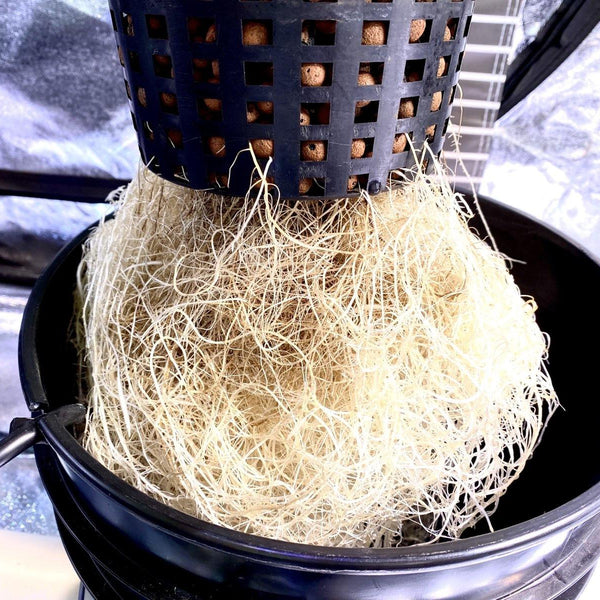
The Bucket Vortex Aerator™ makes use of remarkable energy created from the vortex. This is a simple design that gives user ability to control the vortex by controlling inflow water volume, jet angle and water discharge rate. Bioponica offers the parts and pieces to create your own DIY water vortex as seen. Click here do to purchase Vortex Aerator.

Naturalist Viktor Schauerberger was the inspiration in our design and use of the Bucket Vortex Aerator

“As far back as history permits us to see, every man who attempted to solve the mystery of water encountered bitter oppos­­ition. Every hint that we find in the ancient books, which might explain the true nature of water, has been blotted out in the next edition. Protecting the secret of water is a means to protect the interest-power of money. Only in an economy of scarcity can interest thrive.

water vortex

“If the problem of the production of water were to be solved, making it possible to produce any desired amount and quality of water at any given location, then man would have the power to make the ex­­pans­­­­es of the deserts bloom. The price of food and the cost of mechanical power would sink to such low levels that speculators would be able to gain nothing from them. Free access to nutrition and mechanical energy are such radical ideas that our concept of the world and all ideologies would be turned upside-down.”

The Bucket Vortex Aerator

Bioponica developed the Bucket Vortex Aerator in order to place a vortex on every body of water within the  Biogarden and Nutricycler. The properties of vortex energy are extremely beneficial in gardening and aquaculture to improve nutrient distribution, breakdown and oxygenation. This aids microbes in nutrient utilization. It also purifies the water and gives life to water taken up by the plant roots.

Purchase Vortex Aerators for use with 2, 5 and 7 gallon buckets.

The Vortex Aerator may be used to purify with any body of water with the toroid force of the water vortex. Available for purchase here are the parts, including pump and plumbing. As an option, a 2 gallon bucket may be purchased with holes pre drilled and ready for operation.

Posted on Leave a comment

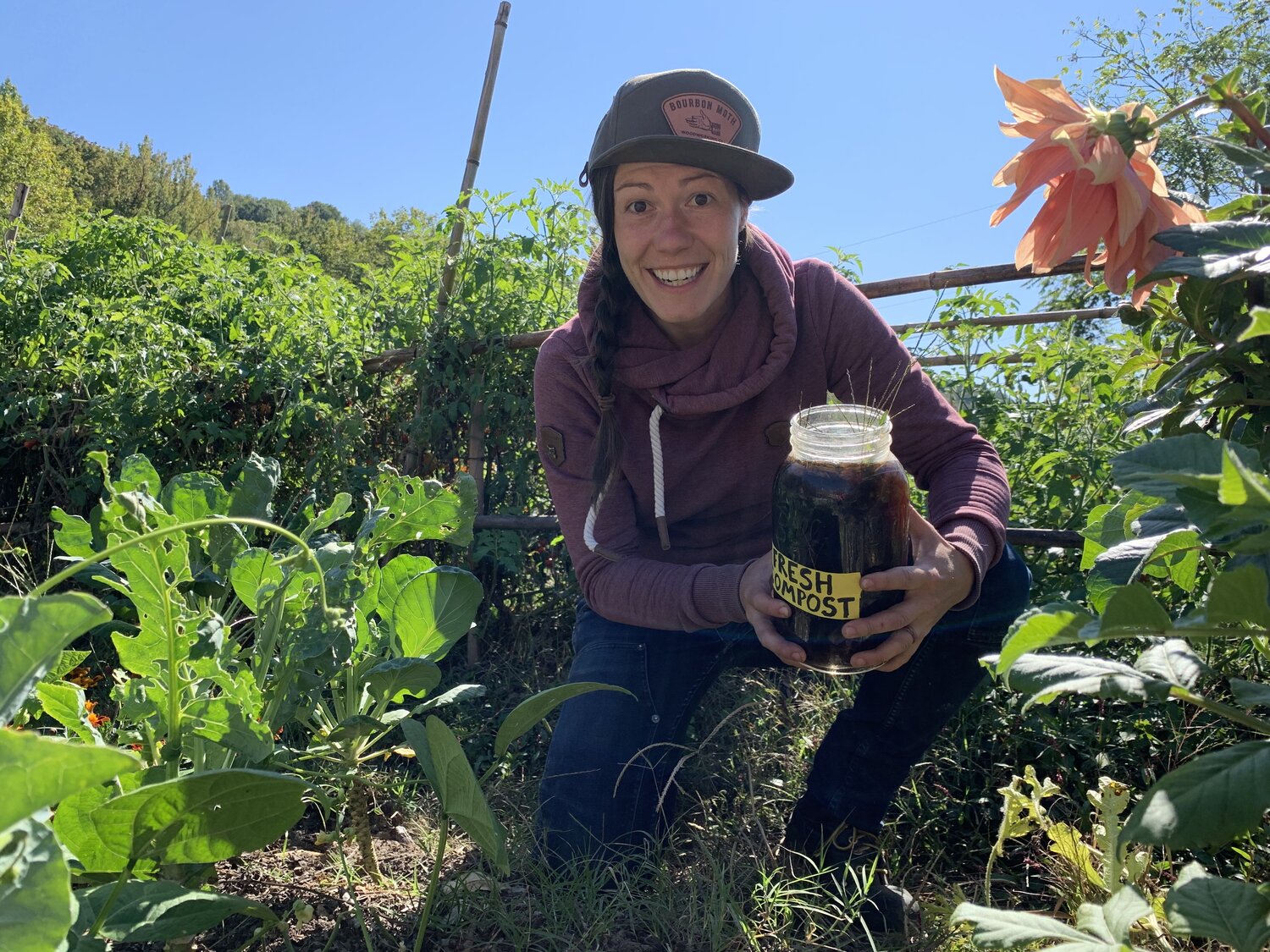
Worm Farming in the Biogarden plus Microbe Tea Brewing

tea brewing

Earthworms are a valuable asset to any farm project. Worms provide microbes that may be brewed into a tea and their castings are tops for soil growing. This table produces 500lbs of earthworms in a year and consumes on average 50lbs of biomass per week. The Biogarden allows us to flood the bed on a timer and allows the leachate to drain into the tank below. This is then maintained with a vortex and pump that circulates the microbe tea from one end to the other. We feed organic liquid biomass fertilizers to the tank instead of sugars as they are what we use for growing plants and they’re a more stable and complex source of microbe nourishment. Teas are added to each of the tables and mixed into our organic fertilizer fertigation systems.

microbe tea brewing

See Also: Same day flower delivery Sydney: perfect blooms delivered on time.

  • Earth worms are very profitable. Revenue from earth worms alone from 100 square foot area is approximately $10K per year.
  • Worm casting teas are continuously produced in the Biogarden worm farm. Casting teas provide plant-beneficial bacteria and rhizobacteria for the soil, grow media and plant roots. The tank below, which receives drippings from the worm far above,  is continuously brewing worm teas as a biodynamic soil conditioner.
  • Vortex water aeration – is included with each Worm Farm tank. The Vortex Aerator™ mixes and oxygenates the castings and is ideal for increasing colonization prior to applying to soil or media.
  • Organic chicken and fish feed: Earth worm farming provides organic nourishment supplement to regular diet.
  • Highly productive: The Worm Farm 20′ dual bed Biogarden will provide 500 lbs of earth worms  per 60 sq ft area each year.
  • The Biogarden worm farm provides a vermicompost, a valuable soil amendment that can be used on the farm or sold to farmers and gardeners.
  • Supports wedge or top fill techniques which minimize labor and need to aerate.”
  • No nutrient loss as all drippings are collected and returned to the fertilizer making process
  • Converting waste discards into earth worms and castings is beneficial for the environment. It removes waste, sequesters carbon and provides a nutrient source to for growing organic plants.
Posted on Leave a comment

Sustainable Urban Farm Business

urban farm

Integration of organic food production, retail sales, cafe’s and restaurants and energy production

See Also: Same day flower delivery Sydney: perfect blooms delivered on time.

This project was designed for a local Food Giant grocery store owner in Atlanta. We included an anaerobic digester in this project because of the need for power in the adjacent grocery store and proposed processing facility. One of our partners at Bioponica is a professional waste water engineer with extensive experience in design and installation of anaerobic digesters. The scope of this project includes digester, power facility to offset $250K worth of energy costs, solar panels and a parking lot surface run off lagoon and rainwater rooftop harvesting.

Rooftop solar panels plus rainwater harvesting demonstrates excellent sustainability features with water collection supporting needs for evaporative cooling, anaerobic digestion and greenhouse water top off. Additional benefits of rainwater are the superior value to the organic hydroponic urban farm. The community also benefits with rainwater harvesting and re-use as the large surface area discharges a lot of storm water with each downpour. Power needs are also great as processing equipment utilizes a lot of energy and needs for hot water.

Schematic of the integrated features of rainwater, anaerobic digestion, methane powered boiler, hot water, leachate processing with nutrients to greenhouse and electrical energy distribution.

Ponics Cafe and Juice Bar with public view of the entire greenhouse complex. A cafe and juice bar located at the same place as a grocery is good for business. It attracts customers to shop at grocery and it also proves valuable as profits are good when produce is sold as a prepared food for site down dining.

Posted on Leave a comment

Growing Duckweed

growing duckweed

Systems for Growing Duckweed

Growing duckweed has numerous benefits whether used as a feed for livestock, biofuel for ethanol production or even as a food for human nutrition. Duckweed is a very easy plant to grow and performs a double service of recycling nutrients from various sources of biomass.

When using the Biogarden, the process of growing is optimized as wind is minimized, nutrients are manageable and harvesting is as simple as lifting a gate over a weir and allowing duckweed to be strained over a screen. When storing duckweed as a feed, we find silage is ideal as it stabilizes the feed and allows for a slow fermentation process to begin, which releases the nutrients and makes them more easily digested by livestock.

See Also: Same day flower delivery Sydney: perfect blooms delivered on time.

Larger, customized and more economical, designs are available for commercial scale duckweed production and waste water processing.

Benefits of Growing Duckweed

Growing Duckweed for feeding fish and livestock, and also as a means of removing ammonia and other nutrients from waste water.

Fish feed

  • Duckweed has proven to be an ideal feed for tilapia when raising fish aquaponically. Other fish like it too. From our own observations crawfish love it. Even carnivores derive benefit from duckweed. For instance mollies and aquarium fish that prefer live food, will consume the roots of duckweed and the microbes that colonize on the roots.
  • Duckweed may be fed to chickens and livestock. This is particularly important at a time when 30% of industrial corn is used to feed livestock, which is not an ideal food for ruminants. It is an excellent substitute for vegetable protein and supplement for lower-protein feeds like corn. .
  • I feed it to my dog. She loves it! To make it more palatable I add brewers yeast.

Nutrient Profile

  • There could not be a more ideal plant in the entire world than duckweed. Under ideal growing conditions it contains up to 43% protein, 5% lipid and is highly digestible.  What’s more is that it can be grown anywhere there is a high degree of ammonia and phosphorus in the water.
  • Duckweed has a similar nutrition composition to soybeans and is a plant that most closely resembles the protein values of animal meat

Waste water treatment “plant”

  • There is a good deal of evidence that the floating aquatic plant has a great potential to remove contaminants from sewage and may potentially be a nutritional protein supplement for people.

Growing conditions

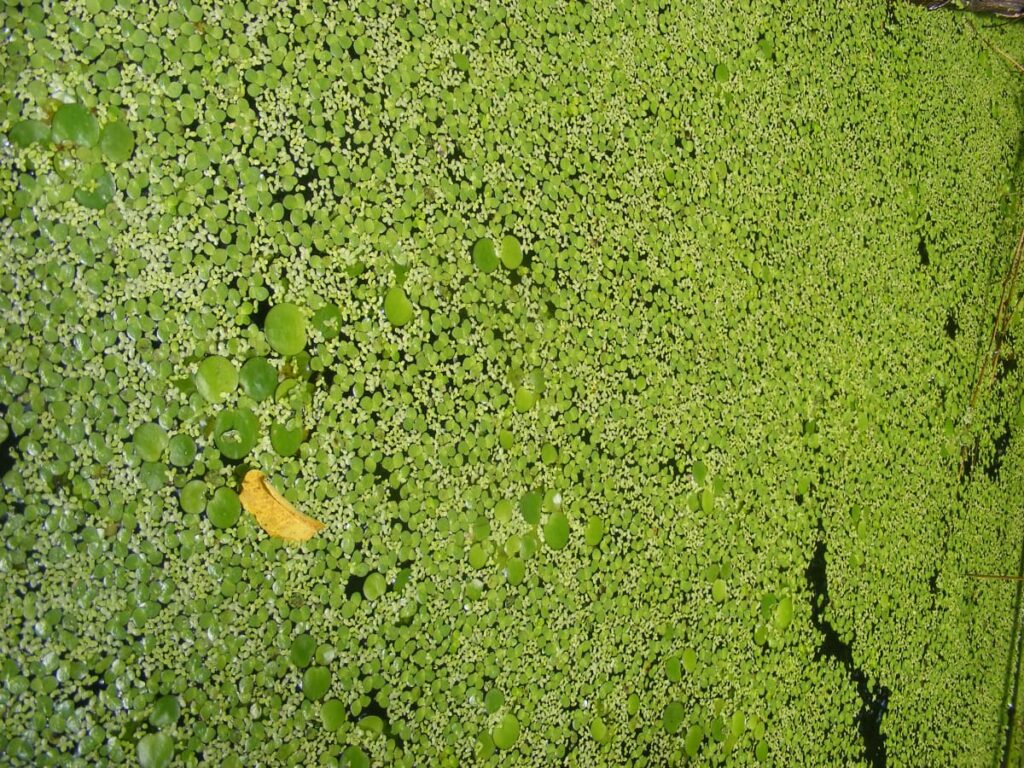
  • Duckweed species include the most familiar Lemna species are small floating aquatic plants found worldwide. They grow in thick mats that blanket slow moving waters that are rich in nutrients.
  • Duckweeds grow at water temperatures between 6 and 33°C. And it forms a “turion”, sinking to the bottom of a lagoon during colder temperatures, remaining dormant until warmer water restimulates growth.
  • The flat ovoid shape tends to have one or two roots that lengthen when water mineral content is low. For single gut animals, including humans it has no indigestible material, which is in sharp contrast to corn and soybeans which have up to 50% indigestible residues.
  • Duckweed grows best in tropical climates though survives all but deserts and permanently frozen areas. They do not become weeds in water ways because they do not survive in moving water, preferring quiescent conditions.
  • Duckweed grows on water that contains decaying organic matter. It covers the surface, preventing algae from growing on the same organic, mineral rich water.
  • It grows on surfaces that have protection from shade or else is partitioned to prevent excessive movement due to wind and current. Optimal conditions require decaying organics, including ammonia,  phosphate, minerals and trace elements.
  • Under optimal growing conditions, duckweed reproduces at a rate of once every 16-48 hours. By dry weight, this is greater than what can be produced by soy growing on a similar area. As a fish and livestock soy requires energy input for processing. This is not the case with duckweed, which merely needs to be dehydrated. The calcium oxylate that commonly builds up in duckweed that causes a less palatable flavor, can be extracted without electrical energy.  This growth rate is closer to the rate of algae growth, moreso than higher plants, making it optimal for converting waste to nutritious feed.
  • Fresh duckweed contains about 92-94% water.
  • Duckweed is an efficient collector of phosphate and potassium though high levels are not required for fast growth of duckweed. Where P is present in water, duckweed absorption can provide an important source for grazing ruminants when phosphorus feed levels are deficient.  Duckweeds concentrate P up to 9 mg P/g. It also appears as the plant can concentrate trace minerals up to 500,000 times water concentration. Sea salt is a good source for trace minerals and the minerals can be harvested from brackish or salt water growing environments.

Duckweed has been studied for desalinating brackish water.

  • Duckweed grows in brackish water, which often contaminates freshwater aquafers.
  • It can be raised successfully in up to 4000 mg/liter of TDS. Nutrients are absorbed by the duckweed at all surfaces.
  • Ideal pH for growing duckweed is in the range of 6-8, though it tolerates 5-9 ranges. It prefers unionized ammonia which is present in lower alkaline water, closer to the 6-8 range.  Concentrations of free ammonia greater than 100mg NH3/liter are toxic.
  • Duckweed doubles in mass every 24-36 hours. Growth rate of duckweed is controlled by temperature and sunlight moreso than by nutrient concentration. It tends to bleach and die with excessive sun exposure and can sustain rapid growth with even low levels of  phosphorus and nitrogen.
  • Urea is a suitable fertilizer which converts to ammonia in normal conditions. Duckweed is partial to ammonia.
growing duckweed

Management systems for duckweed

Duckweed species can withstand  extreme conditions for the most part but management should be focused on maintaining dense growth; (ii) low dissolved oxygen; and (iii) a pH of 6- 7. Dense cover keeps pH low from algal photosynthesis and and it prevents algae CO2 formation from evening respiration and from bacteria respiration of decomposing dead algae.

Duckweed will grow on water containing any waste material. Best sources are from homes, food processing plants, livestock, pig and poultry farms. If using manure and night soil in villages these wastes must be pretreated by storage in anaerobic ponds for several days before cultivating duckweed.

Duckweed as a water treatment “plant”. When using as a treatment system for farms duckweed growing on wastewater should be treated prior to feeding. It will concentrate and store many nutrients, particularly nitrogen, phosphorus, calcium, sodium, potassium, magnesium, carbon and chloride from the wastewater. If heavy metals are also in the water the duckweed may have to be decontaminated prior to feeding to animals.  It grows on water with a nitrogen concentration of 10-30mg NH3/m2.

To grow the plant efficiently in lagoons, it is important to grow the plant evenly across the surface. The density needed to support growth is approximately 1.2kg wet weight/m2 of growing area to as little as .6kg wet weight/m2, for prevention of algae blooms.

Using duckweed as a feed/supplement

Duckweed protein is a more complete  assortment of animal protein than all other vegetable plants and more closely resembles animal protein (Hillman and Culley -1978) than any other plant . With nutrient rich water it will also concentrate carotene and xanthophylls that make it ideal for animals, and it is a rich source of  vitamin A and vitamin B for humans.  For human and some animal consumption some additional measures need to be taken to make the plant more palatable. The high concentration of calcium oxylate crystals makes the flavor less appealing though research is under way at Bioponica to remove the calcium oxylate and prepare the duckweed as a nutritional supplement for infants and malnourished children. Potentially this plant may perform similarly to Spirulina, also used for this purpose and in fact will be more useful as it is easier to raise and grows in turbid water, which tends to inhibit blue green algae growth.

Use of duckweed in fish nutrition

One of the greatest limitations to aquaculture is a source for high protein feed sources with high biological value. Often fish and animals are fed discarded animal waste from meat and fish processing centers. This has proven to be unsatisfactory in livestock feed lots as livestock are fed animal meat despite being herbivores. Mad Cow Disease is a major consequence of this practice. A common problem with feeding animal protein to carnivorous fish is that fish processing discards are commonly used and when fish eat other fish they tend to bio-accumulate toxins consumed in the wild. This is due to the fact that fish may have to eat as much as 10x their body weight per pound of growth. PCB’s and mercury are as such concentrated in farm raised fish. Another problem with manufactured sources of fish food is also seen in livestock feed and that is the practice of feeding chicken manure and chicken urine to fish. While these may be broken down to the same substrates of nitrogen and phosphorus, it is not a natural food for fish and may one day prove to be a problem as is seen with meat fed herbivore livestock, ie Mad Cow Disease. Duckweed is converted very efficiently by herbivore fish including tilapia and carp. It is low in fiber and high in protein which is ideal for fish. It is a

Use of duckweed in pig and poultry production

There is references to multiple sites using fresh, wet duckweed to feed all ruminants, including horses and pigs. Poultry prefer dried. Ducks however have not been researched though it is expected  that duckweed will provide an ideal supplement as a wet meal to any high energy diet. An environmental consultant recently commented to this author that he witnessed a farm feeding duckweed to ducks in a developing country. He commented that the ducks were herded to the ponds daily and returned to their cages. This method of feeding ducks is where the expression arises, “get your ducks in a row.”

While the research on raising domestic animals on duckweed has been scarce it is safe to assume that there are major opportunities. A yield of 10-20 tons of dry atter/ha/year with 40% protein can be reasonably achieved.

Poultry nutrition studies

Dehydrated duckweed has been used to replace alfalfa meal for feeding poultry. Chickens fed 10% dehydrated duckweed had superior weight gain to those fed conventional protein sources.  Layer hens fed on meal from Lemna species of  duckweed at 0%, 25% and 40% have performed very well, however there have been some questions about the performance of chicks, which did not perform as well as adults (Haustein et al 1992b) when fed Lemna.

 Pig nutrition studies.

Little work has been done in this area due to the sheer mass volume that would need to be fed for suitable study, though studies with low protein (25%) has been conducted.  Studies are needed in this area to compare conventional feed of grains to duckweed as the significance of an alternative feed source would be considerable.

Ruminant nutrition

In 1978 a duckweed maize silage diet of 2:1 ratio was fed ruminants and produced a higher than average growth in Holstein heifers vs maize silage: concentrate: grass diet and there were no noticeable differences (Rusoffet al 1978).. The potential benefits of adding wet duckweed to nutritionally deficient dried straw are high particularly if fed to young and lactating ruminants.  With ruminants there is an additional effect that makes it challenging to assess the effects of diet as compared to monogastric livestock. The microbial activity of the rumen alters the availability of nutrients by comparison. Ruminants fed typical diets of mature biomass straws are often deficient of minerals and ammonia which is important for fermentative digestion in the rumen. For maximum feed utilization, they require supplements of protein that often bypass the rumen and are digested in the intestines. The feeding value will require additional assessment as described above with

growing duckweed

Special research needs for ruminants

Per the source of the content for this article, additional needs for ruminant research is needed: ”Depending on the nutrient level in the culture medium, duckweeds may be an important source of trace minerals and phosphorus, but if the protein is readily fermentable in the rumen the dietary amino acid supply to the animal will be minimal. In recent studies, Smith and Leng (1993) incubated duckweedmeal in rumen fluid where it was rapidly fermented with the production of ammonia, indicating the extensive degradation of duckweed protein. Treatment with heat, formaldehyde or xylose had little or no effect on the rate of release of ammonia indicating that duckweed protein is difficult to protect from rumen degradation or that a large proportion of the crude protein is as peptide, amino acids and other non-protein-N compounds (unpublished observations). It is likely therefore that duckweed will be initially used as a source of essential microbial nutrients to enhance the efficient fermentative digestion of straw in the rumen. Research is needed to protect the protein before its value as a bypass protein source can be estimated. However, the critical scarcity of protein resources in tropical countries indicates a need for feed technology research to enhance the use of duckweed as a direct proteinsource for ruminants and thus add value to the duckweed (see Leng 1990).”

Conclusions

High protein diet sources are lacking and are the most costly parts of diet for animals in developing countries. Duckweed is a protein source with an amino acid profile that rivals animal protein sources.

Bioponica grows duckweed as a sole source of nourishment when raising fish in the Biogarden. We are presently designing a biogarden system exclusively for growing duckweed. The benefits include waste water treatment and the conversion to value added product. The value added product includes animal feed as well as a biofuel feedstock.