How Much Tree Pruning Can Be Done Without Damaging the Tree?
Proper tree pruning isn’t just about tidying up a yard. It’s a carefully balanced art and science, especially when the aim is to maintain the tree’s health while ensuring safety. Pruning can improve growth, remove hazards, and even boost a tree’s fruit production. However, without the proper techniques and timings, trimming too much can stress or even permanently damage a tree. Let’s delve into the considerations that define safe and effective pruning practices.
Understanding the Basics of Tree Pruning
What Is Tree Pruning?
At its heart, tree pruning is the process of removing specific branches or parts of a tree. It isn’t about indiscriminate cutting; rather, it’s a thoughtful practice that targets dead, diseased, or structurally unsound limbs. Each cut is an opportunity to improve a tree’s form and extend its lifespan.
Pruning decisions are influenced by the tree’s species, its age, and the environment it grows in. For instance, younger trees might require more shaping, while older trees need careful intervention to remove hazardous limbs. Understanding these fundamentals is essential to avoiding damage during the process.
Regularly inspecting trees for signs of stress or disease means that necessary pruning can occur before issues become severe. This proactive approach keeps trees vibrant and helps maintain the balance between trimming and preserving foliage.
Safe Pruning Percentages
The general rule when it comes to the amount of tree pruning that can be safely carried out is to limit the removal to no more than 20 to 25 percent of the tree’s foliage at one time. This guideline is particularly important because foliage plays a critical role in photosynthesis and overall tree health.
Removing more than a quarter of the foliage in a single session can cause significant stress. Studies have shown that if this limit is exceeded, it can take a tree another two to three years to recover if further trimming is needed. The tree’s capacity to refuel itself diminishes with excessive leaf loss, potentially leading to long-term health issues.
This safe percentage helps ensure that the tree retains enough foliage to continue its natural growth cycle while still removing unwanted or harmful branches effectively.
Factors Influencing the Pruning Process
Species Specifics and Tree Size
Not all trees are created equal. Different species have varying responses to pruning based on their natural growth patterns. For example, a deciduous tree might cope better with significant pruning compared to certain evergreen species that rely heavily on their leaves for energy throughout the year.
Tree size and maturity are crucial factors too. In larger, older trees, the stakes are higher. A mature tree has an extensive canopy that forms a critical part of its energy production, so understanding how much to prune becomes even more important. Smaller trees or young saplings may be more resilient, but they too need careful handling to avoid stunted growth.
Practical experience often means knowing whether a tree has a heavy branch load or a few dominant limbs. This insight helps determine where to make cuts so that the more vigorous parts of the tree can continue thriving.
Environmental Considerations
The local climate, soil type, and prevailing weather conditions all contribute to how a tree should be pruned. In regions where extreme weather is common, trees might require different care to prepare them for storms, excessive heat, or heavy rainfall.
Australia, for example, has a wide variety of climates and conditions that impact tree health. Urban areas might suffer from pollution or compacted soils, necessitating regular maintenance, while rural trees can face issues such as drought. Each situation calls for tailored pruning strategies that consider both immediate needs and long-term growth.
Beyond the biology of the tree, safety during pruning cannot be overstated. Pruning operations are one of the most dangerous tasks in horticulture, with a reported fatality rate that emphasises careful planning and execution. Ensuring proper equipment and adherence to safety norms is as important as understanding the tree’s biology.
Economic Aspects of Tree Pruning
Cost Factors
Tree trimming is not only about preserving green spaces. There is a significant financial component associated with maintaining trees, especially when professional services are involved. On average, tree trimming costs about $460, but that figure can range from $270 to $1,800, depending on tree size and species.
For residential trees, costing may additionally be calculated based on the tree’s diameter at breast height (dbh). Some findings indicate that the average annual cost is between $4 to $9 per tree, averaging around $0.54 per inch of dbh. These figures help homeowners and arborists budget for regular maintenance and emergency measures alike.
Cost factors also include labour intensity and the risks associated with pruning. In Australia, where safety is paramount given the higher fatality rates among tree workers, the expenses might be higher to cover professional training and specialised equipment.
Automated Pruning Technologies
As technology progresses, automated pruning is emerging as an innovative solution, especially for commercial fruit trees. Advanced tools like LiDAR scanning are now employed to create precision-based cutting strategies. This method allows professionals to get detailed insights and plan cuts that optimise growth and fruit yield.
The 2021 study on automated pruning using LiDAR shows promise. By scanning the tree canopy, experts can determine which branches need removal for both tree health and product quality. This precision minimizes the chance of over-pruning and reduces wastage of valuable foliage.
Investing in technology might appeal to larger commercial growers or urban arborists who maintain extensive tree populations. Automated systems can often reduce manual labour costs over time, presenting a modern solution to a traditional practice.
Key Techniques and Considerations for Healthy Pruning
Pruning for Tree Health
The primary objective for pruning, aside from aesthetics, is tree health. Removing dead branches, known as deadwooding, is essential as it eliminates hazards and encourages the tree to channel its energy into healthy growth.
Guidelines proposed by the San Francisco Department of the Environment suggest focusing on the removal of dead or structurally compromised branches, particularly in older or stressed trees. These practices maintain vibrant, resilient growth without exposing the tree to additional risks.
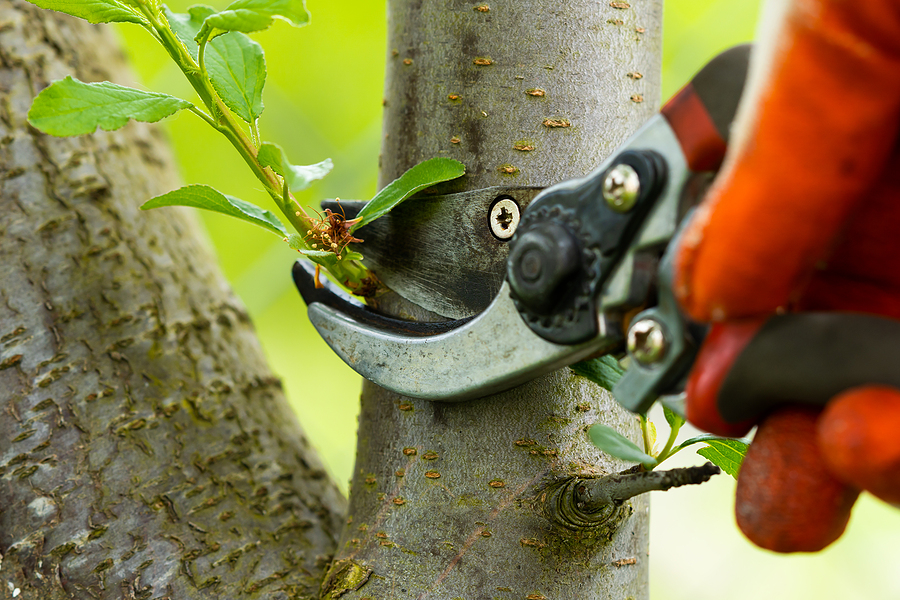
When making cuts, the right angle is key. Cuts should be made at a slight angle to help water run off and prevent rot from setting in at the wound site. Techniques such as proper cut positioning and sealing can help speed up recovery and reduce infection risks.
Seasonal Timing and Frequency
Tree pruning is not a one-size-fits-all process, and timing plays a critical role. The ideal period for pruning many deciduous trees is during winter when the tree is dormant, minimising sap loss and stress. This year-round knowledge is also gathered in studies on pruning decision-making.
Pruning too frequently, or removing too high a percentage of the foliage, can lead to issues with the tree’s natural balance. The guideline of never removing more than 20 to 25 percent of foliage underscores the importance of seasonal intervals to allow for recovery. Following a strategic schedule will mean that if 25 percent of foliage is removed, additional pruning should be delayed by at least two to three years.
This measured frequency applies well in both commercial and domestic settings. The key is to create a maintenance calendar that aligns with the tree’s natural cycle to avoid overstressing the plant during critical growth periods.
Structural Pruning for Long-Term Stability
Understanding the Tree’s Architecture
Each tree has an inherent architectural design that influences its growth trajectory and structural stability. Strategic pruning can enhance this architecture, removing intersecting branches and weaker offshoots. The goal is to create a balanced, open structure that reduces the risk of damage during storms or heavy winds.
Urban tree risk management techniques, emphasised in various industry reports, illuminate why proper tree pruning is so vital. A well-pruned tree is less likely to suffer from branch failure, lowering the risk of damage to property and injury to passers-by.
Understanding how branches support one another and recognising the natural leader in the tree’s structure forms the foundation of a successful pruning plan. When done right, the process enhances both the aesthetic appeal and the mechanical stability of the tree. Click here to get more about tree management.
Techniques to Maintain Structural Integrity
Structural pruning often involves techniques such as thinning, raising the canopy, and reducing overall branch density. Thinning involves selectively removing smaller branches to allow light and air to penetrate the canopy, which boosts overall tree health. In urban settings, thinning is a common practice to clear view obstructions and prevent overgrowth.
Raising the canopy is particularly effective near buildings or walkways, ensuring that branches do not interfere with human activities. In areas with high foot traffic or where public safety is a concern, such adjustments are critical. Each cut should aim to reduce potential hazards while preserving the tree’s natural form.
Moreover, techniques like crown reduction help balance the size of the canopy with that of the trunk, which can be particularly important in trees that have grown too large for their supports. Strategic cuts in the right places ensure that future growth follows a safe and sustainable pattern.
Safety Considerations in Tree Pruning
Managing Risks for Tree Workers
Tree pruning is inherently risky. Data from the Bureau of Labor Statistics underline the dangers faced by those in the industry, with fatality rates that remind us of the gravity of these operations. Safety protocols are not negotiable in this regard.
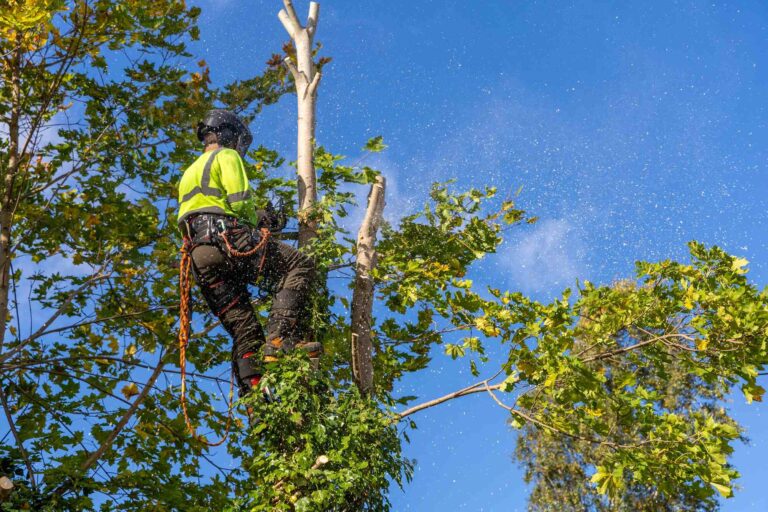
Tree workers must use the correct equipment, including helmets, harnesses, and chainsaws fitted with proper safety features. Regular training and adherence to industry best practices help mitigate risks, ensuring that every pruning job is carried out responsibly.
Employing a buddy system during complex pruning tasks and maintaining clear communication can significantly reduce the risk of accidents. Whether working on residential properties or large urban landscapes, every precaution counts when it comes to the wellbeing of those handling the pruning.
Practical Advice for Homeowners
Homeowners who choose to take on some pruning tasks themselves need to be aware of the risks and challenges. Damage to the tree may sometimes be unintentional, leading to long-term health issues. It’s crucial to understand that trimming should always be done in moderation.
If a homeowner decides on DIY pruning, particularly for less risky tasks such as removing dead or crossing branches, it is advisable to consult resources or local experts. Learning the right techniques and using appropriate tools can make the difference between a vibrant tree and one that becomes stressed.
When in doubt, it is best to seek professional advice. Professionals have the experience and tools to manage high-risk situations, ensuring that the tree remains both healthy and safe for everyone in the vicinity.
The Future of Tree Pruning
Innovations in Pruning Techniques
As well as traditional methods, modern pruning practices are evolving with innovative techniques. Advances in technology, such as the use of LiDAR scanning, offer new ways to assess a tree’s structure and health.
Automated pruning suggestions now assist horticulturists and growers by providing data-driven recommendations. This integration of modern technology with age-old practices helps balance precision with care. The goal is always to remove the necessary branches without compromising the vital foliage.
These innovations might initially seem to complicate a straightforward task, but they have the potential to standardise best practices across the industry. Whether in commercial orchards or urban parks, the merging of tech insights and classical techniques is setting new benchmarks for excellence in tree care.
Long-Term Environmental Impact
Beyond the individual benefits for tree health and aesthetics, proper pruning practices contribute to a more resilient urban forest. Thoughtful and careful pruning reduces risks associated with falling branches and enhances the capacity of trees to thrive in challenging environments.
In urban settings, well-maintained trees contribute to cleaner air, cooler temperatures, and an improved quality of life. Sustainable pruning practices are integral to long-term urban planning, ensuring that tree canopies continue to enrich local ecosystems.
Future developments in pruning may also include further automation and integration with environmental monitoring systems. Such advancements promise a more sustainable and safer approach to tree maintenance, benefiting both nature and communities.
Balancing Aesthetics with Functionality
Enhancing the Natural Beauty
While the primary goal of pruning is often health and safety, there is no denying the aesthetic benefits of a well-pruned tree. Removal of deadwood, crowded branches, and overgrown canopies can reveal the tree’s natural grace and structure.
Beautifully pruned trees create a sense of order and elegance in any landscape, from suburban gardens to bustling city parks. The careful balance of aesthetic appeal and functionality contributes to both the health of the tree and the visual delight of the surrounding area.
Each pruner must blend their technical knowledge with an artistic eye to ensure that the natural form of the tree is enhanced. This delicate balancing act often requires years of experience, making trained professionals a worthwhile investment for many property owners.
Strategies for Home Gardeners
Home gardeners can achieve impressive results with some fundamental pruning techniques. Starting with the removal of dead or diseased branches is a sound strategy. Once the tree’s health is stabilised, gardeners can focus on shaping and improving the overall structure.
Small-scale pruning is usually straightforward when following the standard guidelines. Homeowners should always be cautious not to over-prune, as this could diminish the tree’s ability to photosynthesise and grow. Strategic, measured cuts are key to ensuring that the tree retains enough foliage to flourish.
For those unsure about the extent of pruning required, local gardening clubs and arboriculture experts can be valuable sources of advice. Resourceful gardeners often share their experiences, tips, and techniques, ensuring that even amateur arborists can enjoy the benefits of a well-cared-for garden landscape.
Integrating Best Practices in Tree Pruning
Professional Guidelines and Recommendations
Residential and commercial tree care standards are supported by comprehensive guidelines. Various institutions, from the USDA Forest Service to local environmental authorities, emphasise the importance of measured pruning. These guidelines serve both to maintain the tree’s ecological balance and to minimise potential risks.
Authorities suggest that for older, stressed trees, pruning should be confined to the removal of dead branches and significant structural defects. This advice is underpinned by years of empirical research and field practice, ensuring that only safe, beneficial cuts are made.
Consulting local advisory publications and risk management reports can offer deeper insights into when and how much to prune. Engaging with these resources ensures that homeowners and professionals alike make informed decisions that benefit both the tree and the wider environment.
Maintaining a Long-Term Pruning Schedule
Maintaining tree health isn’t a one-off investment. It requires a commitment to regular assessments and scheduled interventions. Setting up reminders for routine inspections can help in identifying the early signs of disease or structural imbalance.
In practice, maintaining a long-term pruning schedule means planning cuts in alignment with the tree’s growth cycle. This commitment ensures that excessive trimming does not compound any stress on the tree. A well-planned schedule creates a balanced environment where trees can thrive over decades.
Such long-term maintenance pays dividends beyond the immediate visual appeal. It ensures that the tree’s natural energy production is undisturbed and that potential hazards are pre-emptively addressed. For many property owners, this foresight yields both aesthetic and safety benefits, proving that the correct balance of pruning preserves value in the long run.
Conclusion: Prioritising Tree Health and Safety
Why Moderation Matters
Pruning is undeniably a balancing act. Overzealous cutting can expose a tree to stress and long-term damage, while neglecting the practice entirely may lead to hazards and diminished vitality. By adhering to the guideline of limiting removal to 20 to 25 percent of foliage at any one time, the risk of injury and long-term damage is minimised.
Carefully managing the percentage of removal, along with recognising the unique characteristics of each species, ensures that trees continue producing the energy they need to sustain growth. A measured and mindful approach results in vibrant canopies and safe, stable structures.
This balance also allows for a harmony between aesthetics and structural integrity. Whether it’s utilising modern tools like LiDAR scans or relying on time-tested manual techniques, the aim remains the same: maintaining tree health and safety while enjoying the natural beauty they provide.
A Call to Informed Action
Trees are an integral part of our urban and rural landscapes, contributing to everything from air quality to community wellbeing. Adopting informed pruning practices is a communal responsibility that combines scientific insight with seasoned experience.
Homeowners, professionals, and enthusiasts alike must consider both the short-term and long-term impacts of their pruning choices. With a blend of modern technology and traditional wisdom, it is entirely possible to achieve a healthy, safe, and aesthetically pleasing environment without compromising the tree’s natural growth.
Take the time to understand the nuances of each tree species and consult local guidelines to make informed decisions. After all, a well-pruned tree is a living legacy of our commitment to sustainable, responsible, and nature-friendly urban and rural practices.
More to Read : When Tree Root Removal Becomes a Risk to Pipes and Foundations