Posted on Leave a comment

How to Hire an Arborist in Western Sydney for Your Tree Needs

arborist western sydney

Maintaining the health and aesthetics of trees is an essential aspect of property management in Western Sydney. With a diverse range of tree species and growing conditions, hiring a qualified arborist can ensure that your trees thrive. This article will guide you through the process of hiring an arborist, highlighting key considerations and steps to take.

Understanding the Role of an Arborist

An arborist western sydney is a professional who specialises in the care and maintenance of trees. Their expertise encompasses a variety of services, including tree pruning, removal, and health assessments. Understanding what an arborist does can help you identify your specific needs.

Key Responsibilities of an Arborist

Arborists perform a range of tasks that are crucial for tree health. These include:

  • Tree Pruning: This involves removing specific branches to improve tree health, aesthetics, and safety.
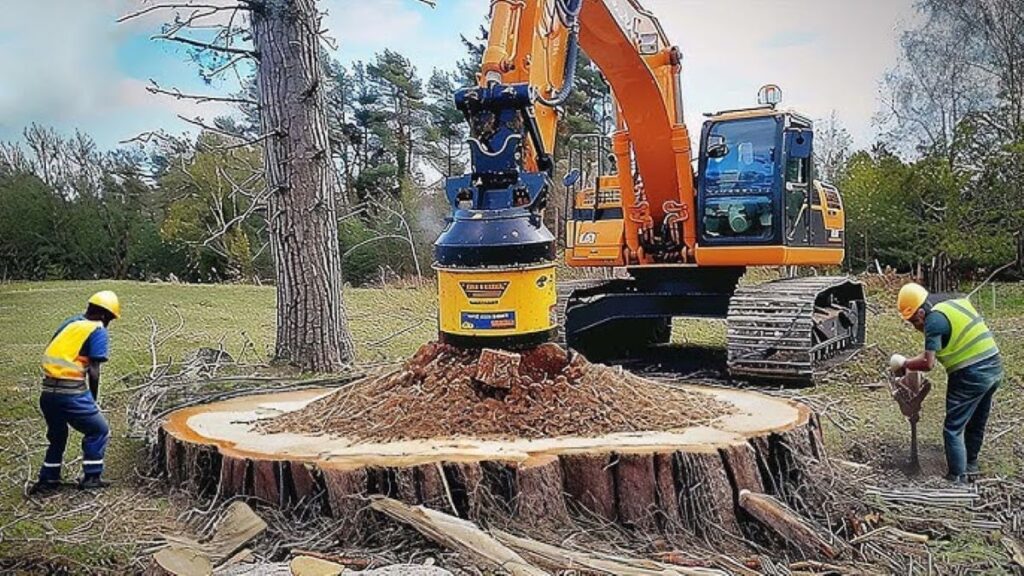
  • Tree Removal: In cases where a tree is dead, diseased, or poses a safety risk, an arborist can safely remove it.
  • Health Assessments: Arborists can diagnose tree diseases and recommend treatments or preventative measures.

By understanding these responsibilities, property owners can better communicate their needs when seeking an arborist’s services.

In addition to the aforementioned tasks, arborists are also equipped to handle emergency situations, such as storm damage. When high winds or heavy snowfall compromise a tree’s structural integrity, an arborist can assess the damage and take immediate action to mitigate risks to nearby properties and individuals. Their training allows them to navigate complex scenarios safely, ensuring that both the tree and surrounding environment are preserved as much as possible.

Furthermore, arborists often engage in community education, sharing their knowledge about tree care and the importance of maintaining healthy urban forests. They may conduct workshops or collaborate with local councils to promote tree planting initiatives, emphasising the ecological benefits trees provide, such as improving air quality and supporting wildlife. This outreach not only fosters a greater appreciation for trees but also encourages sustainable practices within the community.

Identifying Your Tree Care Needs

Before hiring an arborist, it’s essential to assess your specific tree care needs. This will help you find a professional with the right skills and experience.

Evaluating Your Trees

Take the time to evaluate the condition of your trees. Look for signs of disease, damage, or poor growth. Consider the following:

  • Are there dead branches or leaves?
  • Is the tree leaning or unstable?
  • Are there any visible pests or fungi?

Identifying these issues can guide your conversation with potential arborists and help them understand the scope of work required. Additionally, it’s beneficial to observe the overall environment in which your trees are situated. Factors such as soil quality, drainage, and surrounding vegetation can significantly influence tree health. If your trees are in competition with nearby plants for nutrients or sunlight, this may necessitate further intervention, such as selective pruning or soil amendments.

Defining Your Goals

Do you want to enhance the beauty of your landscape, ensure safety, or promote tree health? Clearly defining your goals will help you communicate effectively with the arborist. For example, if your primary concern is safety, you may need a professional who is experienced in hazard tree assessments. It’s also worth considering whether you wish to improve biodiversity in your garden. Planting native species or ensuring that your trees are healthy can attract beneficial wildlife, such as pollinators and birds, which in turn supports the local ecosystem. Furthermore, if you have aspirations for future landscaping projects, discussing these with your arborist can lead to tailored advice on tree selection and placement that aligns with your long-term vision.

Researching Potential Arborists

Once you have a clear understanding of your needs, the next step is to research potential arborists in Western Sydney. This process is crucial to finding a qualified professional.

Checking Qualifications and Certifications

Look for arborists who hold relevant qualifications and certifications. In Australia, the Arboricultural Association of Australia (AAA) offers accreditation for professionals in the field. Certified arborists have demonstrated their knowledge and commitment to best practices in tree care.

Reading Reviews and Testimonials

Online reviews and testimonials can provide valuable insights into an arborist’s reputation. Websites such as Google Reviews, Yelp, and local directories often feature feedback from previous clients. Look for patterns in the reviews, such as consistency in quality of work and customer service.

Requesting Quotes and Comparing Services

Once you have shortlisted a few arborists, the next step is to request quotes. This will give you an idea of the costs involved and the services offered.

What to Include in Your Quote Request

When contacting arborists for quotes, provide as much information as possible. Include details such as:

  • The number and types of trees needing care.
  • The specific services required (e.g., pruning, removal, assessment).
  • Any deadlines or time constraints.

This information will help arborists provide accurate quotes tailored to your needs.

arborist western sydney

Comparing Quotes and Services

When you receive quotes, take the time to compare them carefully. Look beyond the price and consider the following:

  • The scope of services included.
  • The estimated timeline for completion.
  • Any warranties or guarantees offered.

Choosing the cheapest option may not always be the best decision. Consider the overall value and the arborist’s experience when making your choice.

Ensuring Safety and Compliance

Tree work can be hazardous, so ensuring that the arborist follows safety protocols and complies with local regulations is paramount.

Insurance and Liability

Always check that the arborist has adequate insurance coverage. This should include public liability insurance to protect you in case of accidents or damage during the job. Request proof of insurance before hiring.

Understanding Local Regulations

Western Sydney has specific regulations regarding tree removal and maintenance, particularly for protected species. An experienced arborist should be familiar with these regulations and ensure compliance. Ask about their knowledge of local laws and any necessary permits that may be required.

Preparing for the Arborist’s Visit

Once you have selected an arborist, preparing for their visit can help ensure a smooth process.

Clearing the Area

Before the arborist arrives, clear the area around the trees. Remove any obstacles such as furniture, garden tools, or debris. This will provide the arborist with easy access to the trees and create a safer working environment.

Communicating Your Expectations

During the initial consultation, communicate your expectations clearly. Discuss the specific services you require, your goals, and any concerns you may have. This open dialogue will help the arborist understand your needs and provide tailored solutions.

Post-Service Follow-Up

After the arborist has completed their work, it is essential to follow up to ensure satisfaction and address any ongoing care needs.

Assessing the Work Done

Take the time to assess the work completed. Look for signs of proper pruning, removal, or treatment. If any issues arise, do not hesitate to contact the arborist to discuss your concerns.

Establishing a Maintenance Plan

Consider establishing a regular maintenance plan with the arborist. Regular check-ups can help monitor tree health and prevent future issues. Discuss potential schedules for future visits and any ongoing care your trees may need.
arborist western sydney

Conclusion

Hiring an arborist in Western Sydney is a significant step towards maintaining the health and beauty of your trees. By understanding the role of an arborist, identifying your specific needs, and conducting thorough research, you can find a qualified professional who meets your requirements. Remember to prioritise safety and compliance, and maintain open communication throughout the process. With the right arborist by your side, your trees can flourish for years to come.

Related : Stump Grinding Cost Breakdown: Is It Worth the Investment?
Posted on Leave a comment

Stump Grinding Cost Breakdown: Is It Worth the Investment?
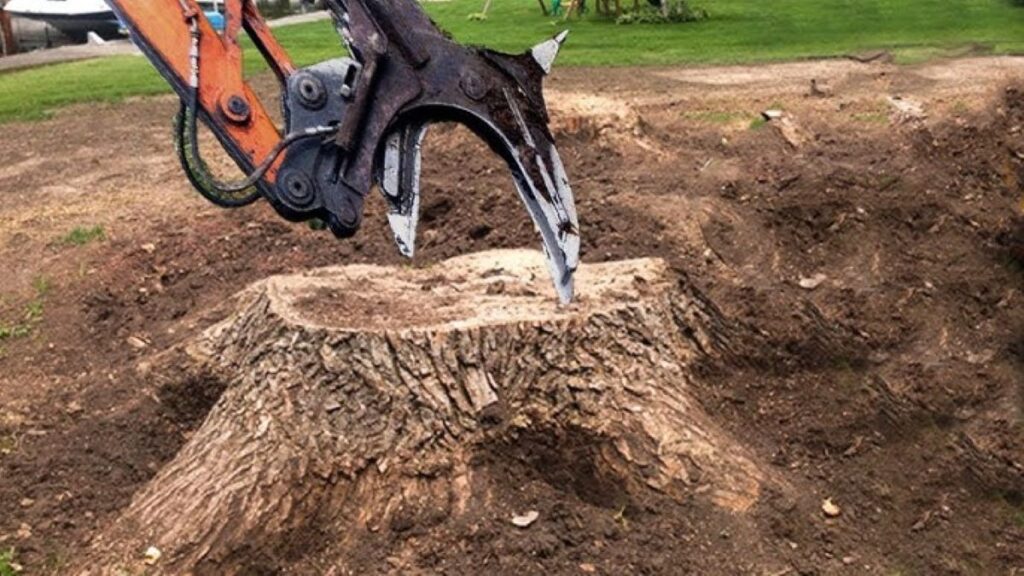
stump grinding process

Understanding Stump Grinding

Stump grinding is a process that involves the removal of tree stumps from the ground using specialised equipment. This method is preferred over traditional stump removal, which often requires digging and can be labour-intensive. Stump grinding is less invasive, leaving the surrounding area intact while effectively eliminating the stump.

When a tree is felled, the remaining stump can become an eyesore and a hazard. It may attract pests, hinder landscaping efforts, or pose a tripping risk. Therefore, many homeowners consider stump grinding as a necessary step in maintaining their property. Furthermore, the presence of a stump can impede the growth of nearby plants and trees, as it competes for nutrients and water in the soil. By opting for stump grinding, homeowners not only enhance the aesthetics of their gardens but also promote healthier growth for their remaining flora.

How Stump Grinding Works

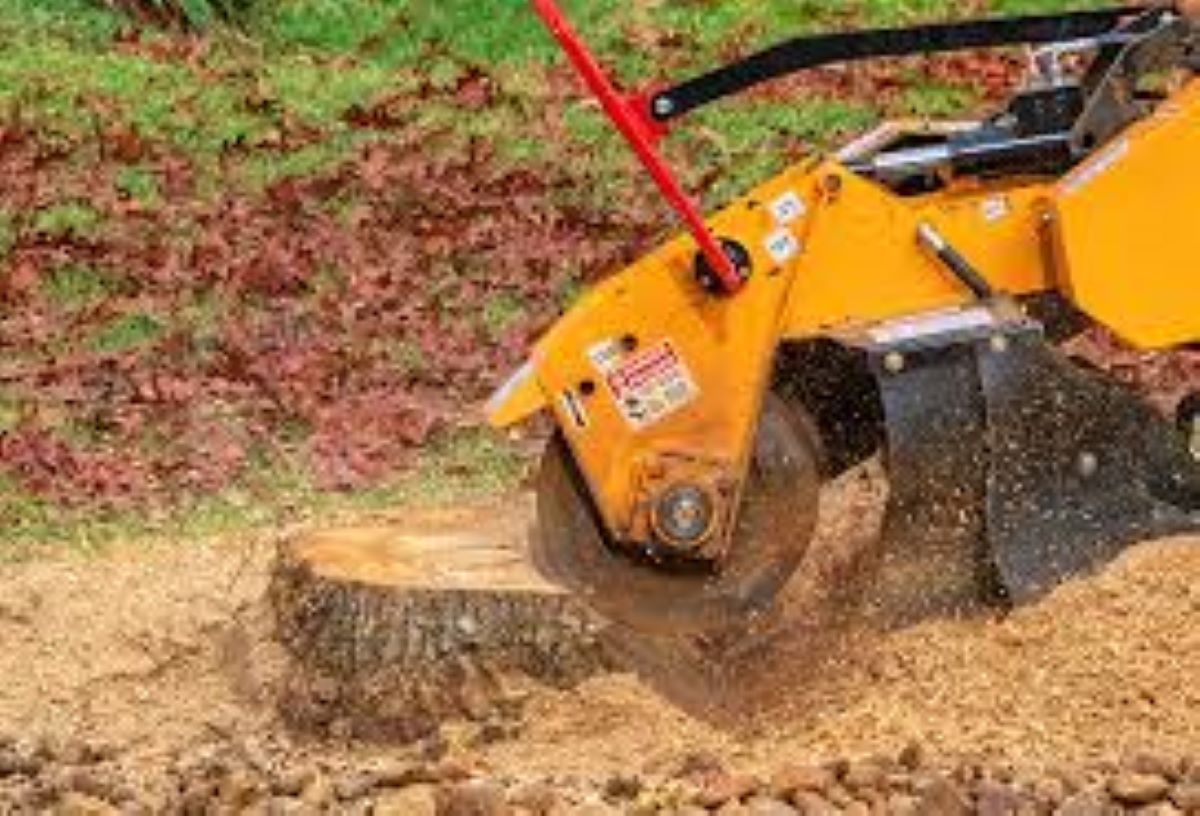
The process of stump grinding involves the use of a machine equipped with a rotating blade that grinds the stump into small wood chips. The operator manoeuvres the machine over the stump, gradually reducing it to below ground level. This method not only removes the visible part of the stump but also allows for the roots to decompose naturally over time. The efficiency of stump grinding machines varies, with some unique stump grinding prices that are several feet in diameter and others designed for smaller, more delicate jobs.

Once the stump is ground down, the wood chips can be used as mulch, providing an eco-friendly option for landscaping. This mulch not only helps retain moisture in the soil but also suppresses weed growth, making it a practical choice for garden maintenance. Alternatively, the area can be filled with soil or grass seed to restore the landscape. In some cases, homeowners may choose to plant new trees or shrubs in the space left behind, ensuring that the area continues to thrive and contribute to the overall beauty of their outdoor environment. Additionally, the process of stump grinding can be a valuable opportunity for homeowners to assess their landscaping plans, allowing them to envision new designs and enhancements for their gardens.

Factors Influencing Stump Grinding Costs

The cost of stump grinding can vary significantly based on several factors. Understanding these elements can help homeowners make informed decisions about whether the investment is worthwhile.

Size of the Stump

One of the primary factors affecting the cost is the size of the stump. Larger stumps require more time and effort to grind down, resulting in higher costs. Stump grinding companies often charge by the diameter of the stump, so it is essential to measure accurately.

For instance, a small stump may cost significantly less to grind than a large, mature tree stump. Homeowners should consider the size of the stump when seeking quotes from service providers.

Location of the Stump

The location of the stump can also impact the overall cost. If the stump is situated in a difficult-to-reach area, such as near a fence, building, or other obstacles, the grinding process may require additional time and care. This can lead to increased labour costs.

Moreover, if the stump is located in a confined space, it may necessitate the use of smaller equipment, which can also affect pricing. Accessibility plays a crucial role in determining the final cost of stump grinding services.

Condition of the Stump

The condition of the stump can influence the grinding process as well. Stumps that are rotting or decayed may be easier and quicker to grind, potentially lowering costs. Conversely, healthy, solid stumps may require more effort and time to remove.

It is advisable for homeowners to assess the condition of their stumps before seeking quotes. This can provide a more accurate expectation of the costs involved.

Average Stump Grinding Costs

While costs can vary widely, understanding the average price range can help homeowners budget for stump grinding services. On average, the cost of stump grinding can range from £50 to £300 per stump, depending on the factors previously discussed.

Cost Per Stump

For smaller stumps, the cost may start at around £50 to £100. Medium-sized stumps typically fall within the £100 to £200 range, while larger stumps can exceed £200. Some companies may offer discounts for multiple stumps, making it more economical for homeowners with several stumps to remove.

It is essential to obtain multiple quotes from different service providers to ensure competitive pricing. This can also provide insight into the standard rates in the local area.

Additional Costs to Consider

In addition to the base cost of stump grinding, homeowners should be aware of potential additional charges. These may include fees for travel, disposal of the wood chips, or extra services such as filling in the hole left after grinding.

Some companies may offer package deals that include stump grinding along with tree removal or landscaping services. Exploring these options can sometimes lead to cost savings.

stump grinding process

Is Stump Grinding Worth the Investment?

Determining whether stump grinding is worth the investment depends on various factors, including the homeowner’s specific circumstances and preferences. However, there are several compelling reasons to consider stump grinding as a valuable service.

Improved Aesthetics

One of the most immediate benefits of stump grinding is the improvement in the overall appearance of the landscape. Removing unsightly stumps can enhance the visual appeal of a garden or yard, making it more inviting and well-maintained.

For homeowners looking to sell their property, a clean and attractive landscape can significantly increase curb appeal. Potential buyers are often deterred by visible stumps, which may give the impression of neglect.

Safety Considerations

Stumps can pose safety hazards, particularly in areas with high foot traffic. They can be tripping hazards for children, pets, and visitors. By investing in stump grinding, homeowners can eliminate these risks and create a safer environment.

Additionally, stumps can attract pests such as termites and ants, which may eventually invade the home. Removing stumps can help mitigate these risks and protect the property from potential infestations.

Enhanced Landscaping Opportunities

With stumps removed, homeowners have greater flexibility in their landscaping options. The area can be replanted with grass, flowers, or shrubs, allowing for a more cohesive and attractive garden design. This can be particularly beneficial for those looking to create outdoor spaces for entertaining or relaxation.

Moreover, removing stumps can free up space for new trees or plants, contributing to a healthier and more vibrant landscape.

DIY vs. Professional Stump Grinding

Some homeowners may consider tackling stump grinding as a DIY project to save costs. However, this approach comes with its own set of challenges and risks. Understanding the pros and cons of both options can help in making an informed decision.

Advantages of Professional Services

Hiring a professional stump grinding service ensures that the job is done efficiently and safely. Professionals have the necessary equipment, expertise, and experience to handle various stump sizes and conditions. They can also assess the surrounding area for potential hazards, ensuring a thorough and safe removal process.

Additionally, professionals can often complete the job more quickly than a DIY attempt, allowing homeowners to enjoy their improved landscape sooner. Check out more about How to Hire an Arborist in Western Sydney for Your Tree Needs

Considerations for DIY

While DIY stump grinding may seem cost-effective, it requires access to specialised equipment and a certain level of skill. Renting a stump grinder can be expensive, and improper use can lead to accidents or damage to the property.

Furthermore, homeowners should consider the time and effort required for a DIY project. It may take longer than anticipated, leading to frustration and potential safety risks. For those without experience, hiring a professional is often the more sensible choice.

stump grinding process

Conclusion

Stump grinding can be a worthwhile investment for homeowners looking to enhance their property’s aesthetics, safety, and landscaping potential. While costs can vary based on several factors, understanding these elements can help homeowners make informed decisions.

Ultimately, whether to hire a professional or attempt a DIY approach depends on individual circumstances and preferences. However, for most, the benefits of professional stump grinding far outweigh the costs, leading to a more beautiful and safe outdoor space.